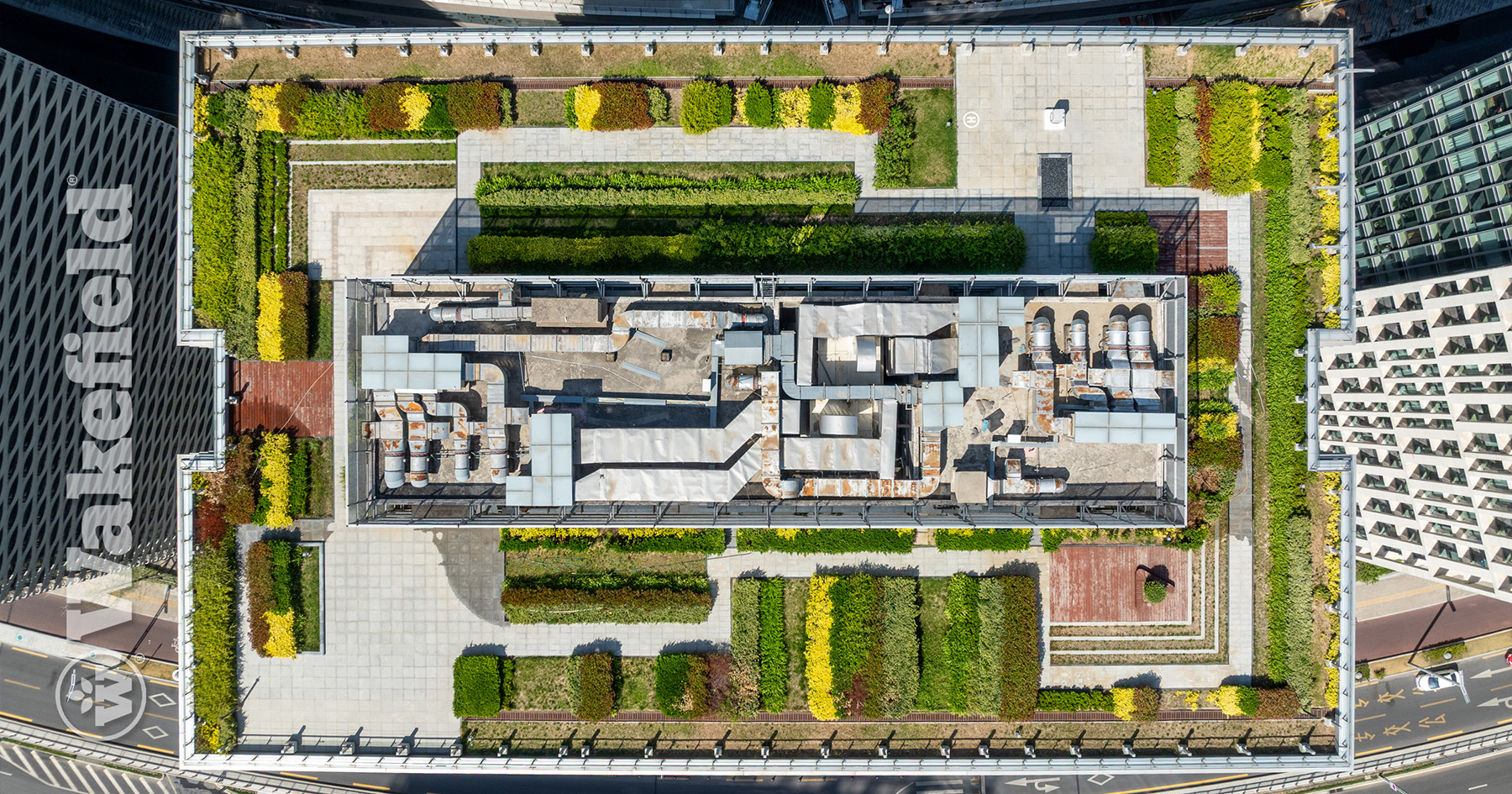
Urban agriculture turns spaces within towns and cities into productive farms and gardens. These projects grow fresh food close to the people who eat it. They also create places where neighbors can learn, volunteer, and build stronger connections with the land.
Biochar supports this work by improving the soil beneath each crop. Its porous carbon structure helps hold water and nutrients, creates room for roots and air, and provides habitat for soil life. These lasting benefits help urban growers make more of every garden bed, field, and growing season.
Building Healthy Soil in the City
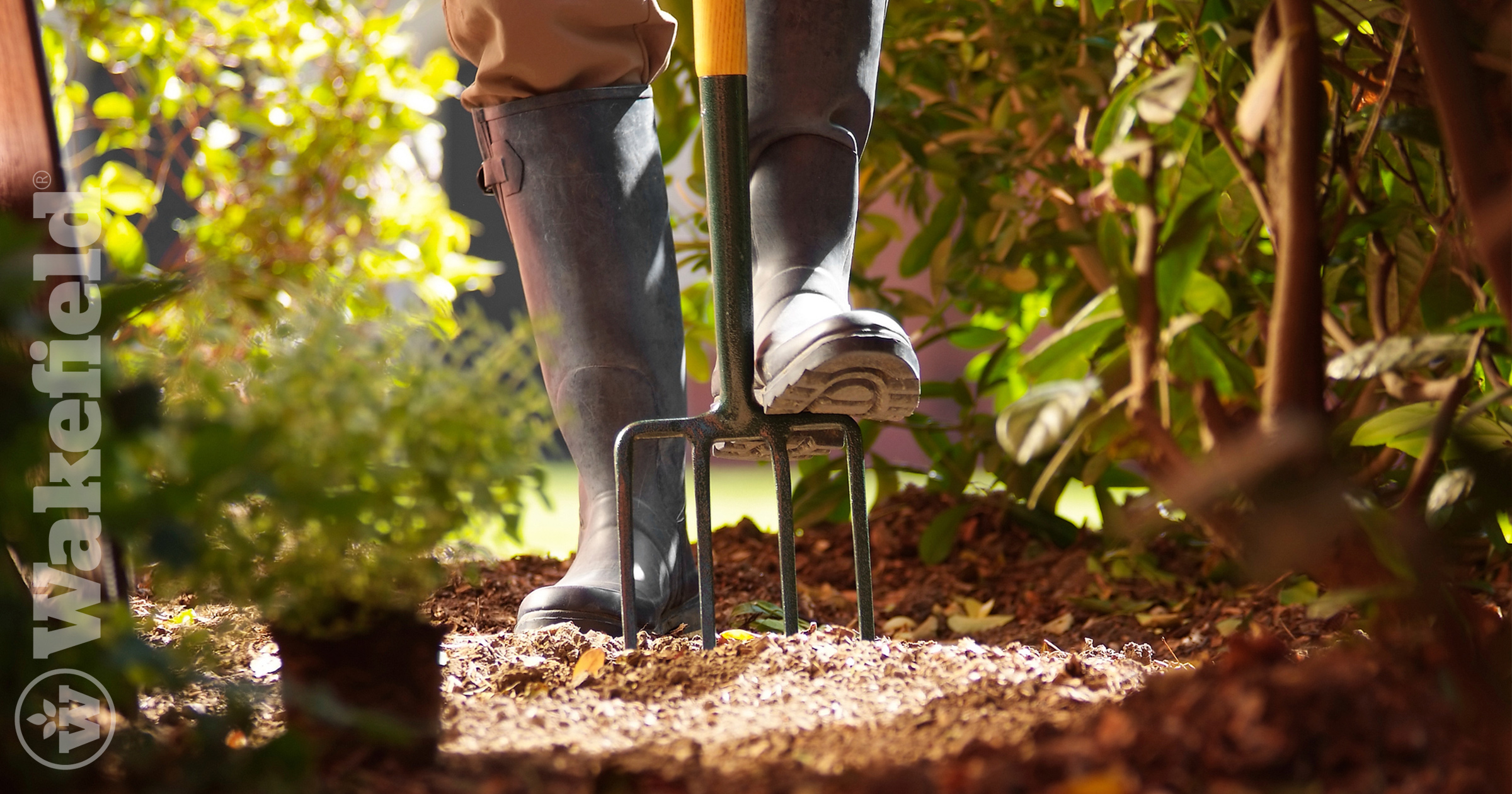
City farms often begin on land that has been disturbed by construction, mowing, foot traffic, or years without active care. The ground may be packed, low in organic matter, and unable to manage water well. Shallow beds and small growing areas can add more pressure to the root zone.
Wood-based biochar adds a stable network of pores to this ground. The pores help loosen the root zone and create pathways for water and air. Roots can spread more freely, while bacteria and fungi gain protected surfaces where they can live.
Biochar also works with compost and other organic inputs. Compost supplies plant food and fresh material for soil life. Biochar helps retain those nutrients near the roots, allowing the two materials to support different parts of the same living soil system.
Making Water and Nutrients Go Further
Urban farms need reliable water, but their growing spaces may dry quickly during hot weather. Biochar stores moisture after rain or irrigation and keeps it available in the root zone. This steadier supply supports plants between watering and helps crops handle dry periods.
The same carbon surfaces hold many nutrients that might otherwise leave with drainage water. Keeping water and plant food close to the roots helps growers use their resources more effectively. Healthy roots then support stronger leaves, flowers, and harvests above the ground.
These benefits continue across future seasons because biochar breaks down very slowly. Each new crop grows within soil that retains the pore space and stable carbon added in earlier years.
Growing Food and Community Together
Healthy soil creates value beyond the farm itself. Productive urban land can supply food pantries, neighborhood markets, schools, and community kitchens. Demonstration beds also give people a place to learn about vegetables, composting, water care, pollinators, and home gardening.
The Columbia Center for Urban Agriculture puts these ideas into practice in Missouri. Its ten-acre Agriculture Park includes food-production fields, teaching gardens, a food forest, youth spaces, native habitat, and water-management features. Produce from its Planting for the Pantry program supports local hunger relief.
This model shows how soil care can strengthen an entire local food system. Better growing conditions support reliable harvests, while the farm gives volunteers and visitors practical skills they can carry into their own homes and neighborhoods.
See Biochar in Urban Agriculture
In this Wakefield video, Columbia Center for Urban Agriculture Park Director Tony Minnick explains how the organization connects soil health, food production, education, and food access. The farm offers a clear example of biochar supporting productive land with a wider community purpose.
Urban agriculture succeeds when land, food, and people support one another. Biochar strengthens the soil foundation beneath that work, helping farms grow more resilient crops while serving education, hunger relief, and community life.