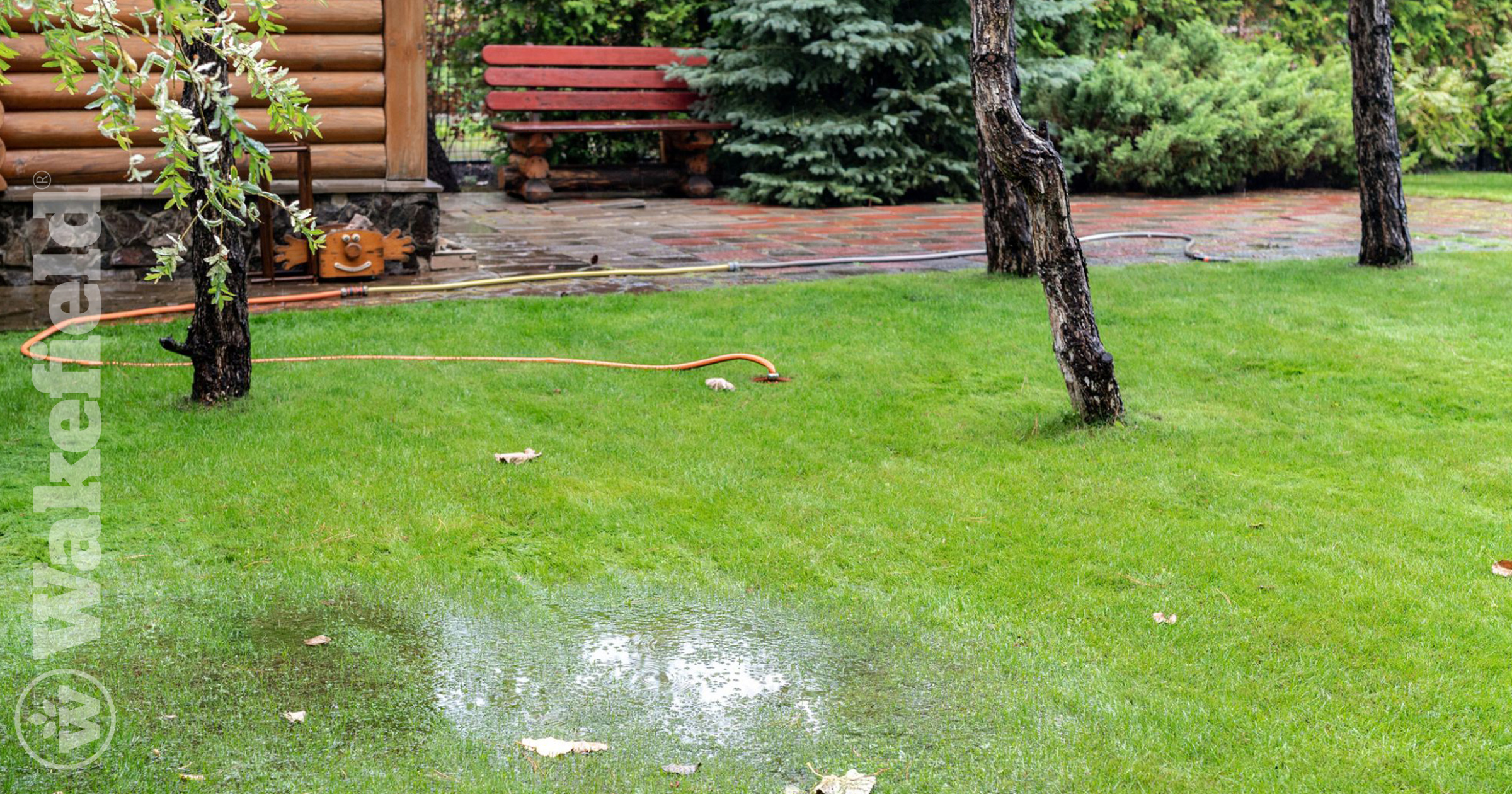
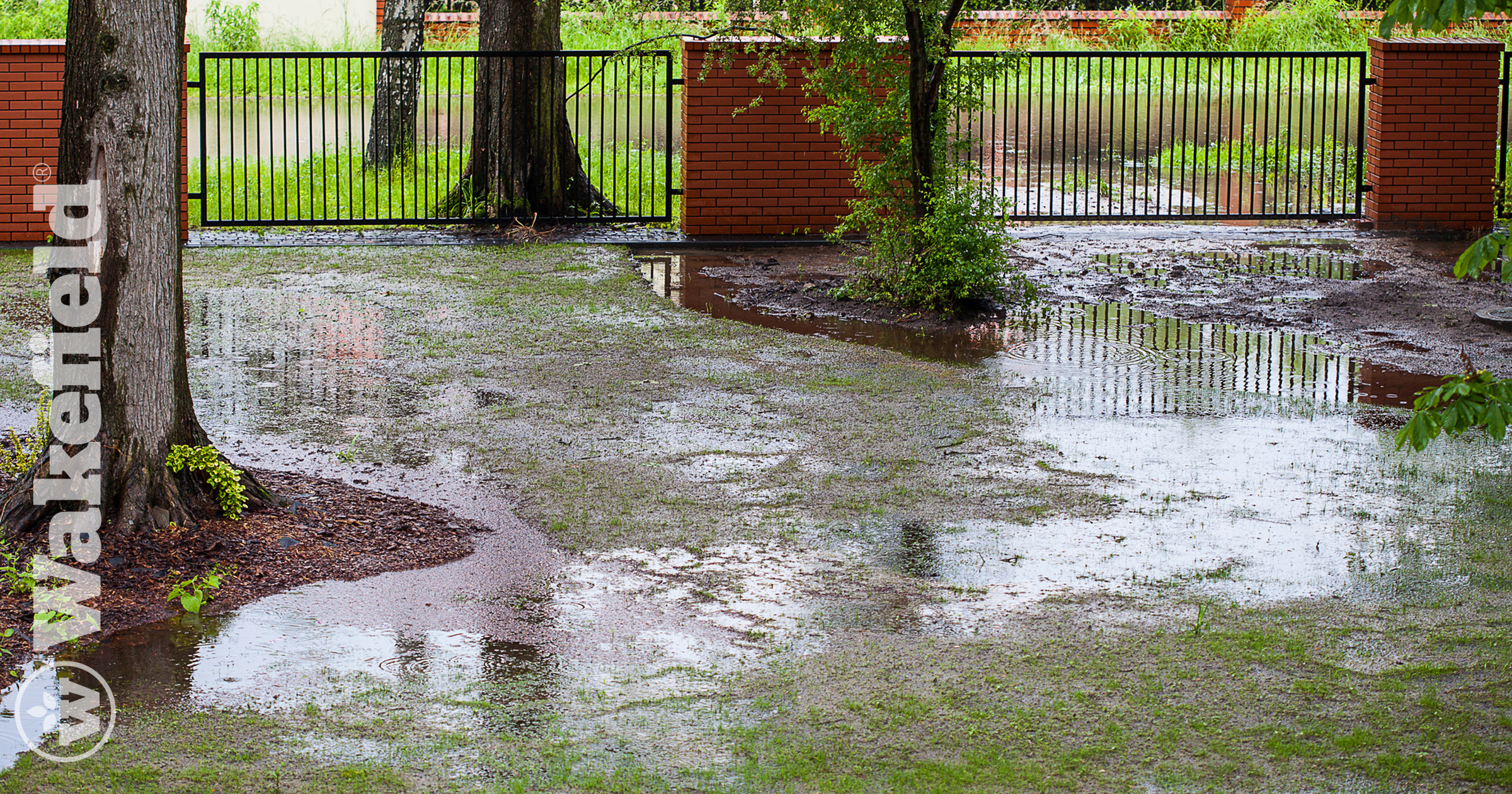
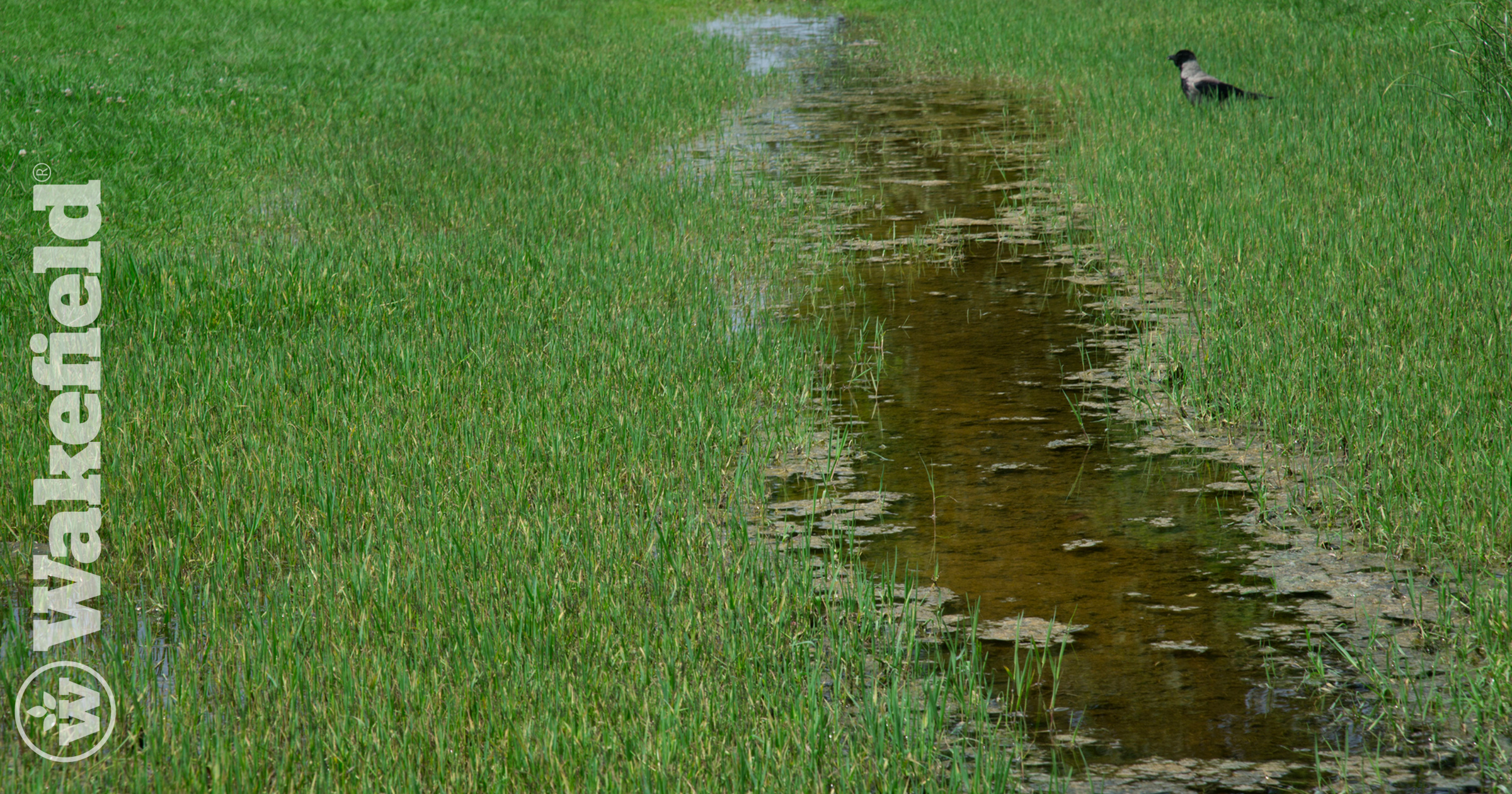
Plant roots need both water and air. When soil stays soaked, water fills the spaces that normally carry oxygen. Roots lose the air they need to live, so they take in fewer nutrients and soil life begins to change.
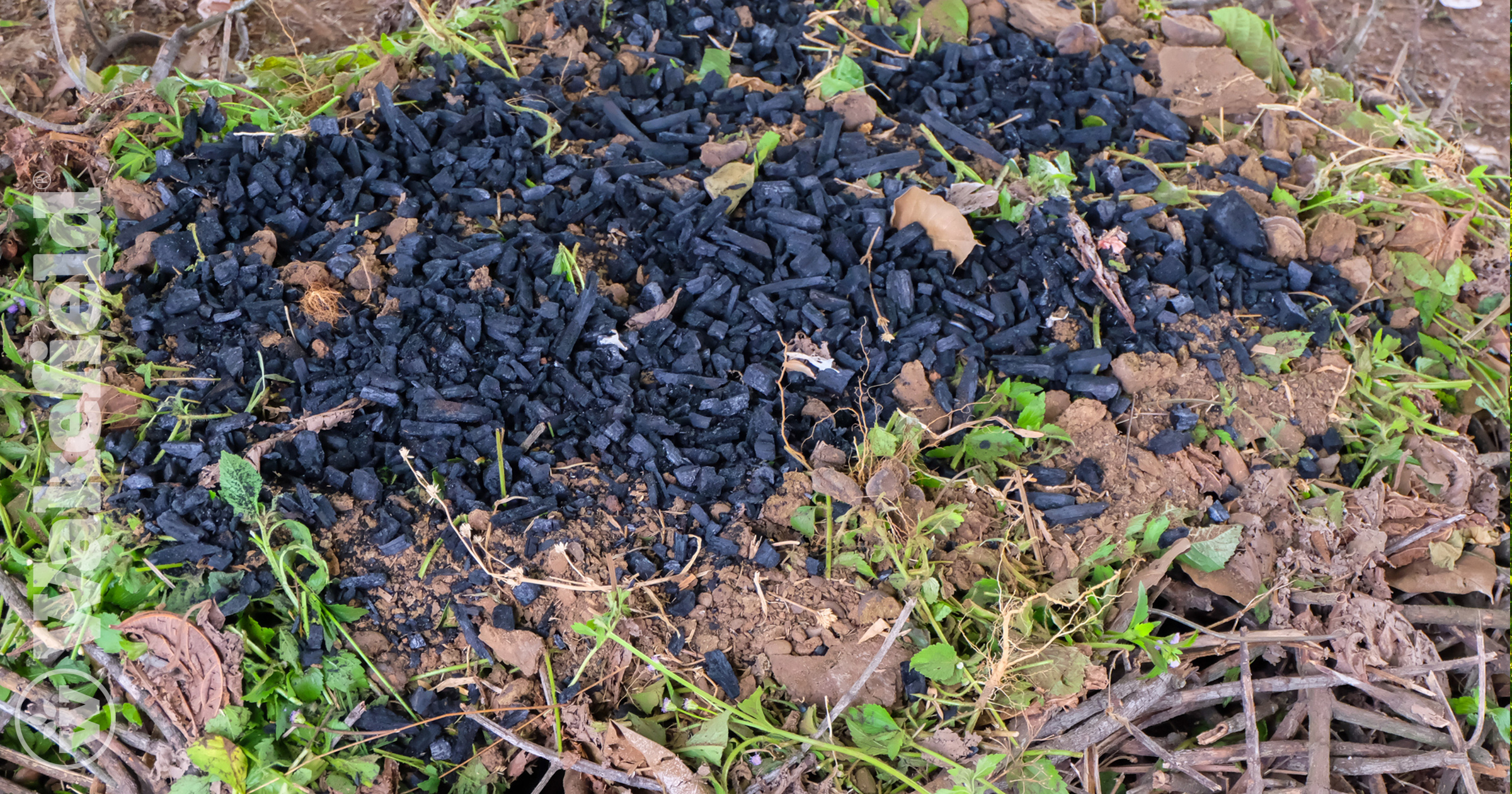
Wood-based biochar helps create a better balance. Its porous pieces add structure to the root zone and open paths for water and air while holding moisture and nutrients in smaller pores. This mix helps soil drain after heavy rain without drying out too fast later.
What Waterlogging Does to Plants
Roots use oxygen to make energy for growth and move water and nutrients through the plant. In soaked soil, oxygen is used faster than it can be replaced. Fine roots may stop growing, weaken, or die. The plant then struggles to take up water even though the ground is wet.
Above ground, water stress can appear as yellow leaves, wilting, slow growth, or leaf drop. Below ground, roots may darken and begin to decay. A sour or rotten smell can develop as low-oxygen microbes become more active. These problems grow worse when dense or compacted soil keeps water from moving away.
Waterlogging also changes how nutrients move. Roots cannot take in nutrients well without enough oxygen, and some nutrients can wash out of the root zone as the soil drains. Open pore space helps roots, soil life, water, and nutrients work together again.
How Biochar Improves the Root Zone
Biochar particles become part of the soil’s pore network. Larger spaces between particles help water move and allow oxygen to return after saturation. The particles can also lower soil bulk density and support aggregates, the small clusters that give healthy soil its crumb-like structure.
This structure gives roots more room to spread and creates channels that connect the surface with deeper soil. Research in heavy clay soil and compacted urban soil has linked biochar with greater aeration, better drainage, stronger soil aggregation, and improved plant growth during wet conditions.
Water Holding and Drainage Work Together
Water retention and drainage may sound like opposites, but healthy soil needs both. Large connected pores carry excess water away and bring air back to roots. Smaller pores hold moisture that plants can use between rain or irrigation events.
Biochar contributes pores across this range of sizes. It can improve the movement of excess water while keeping useful moisture in the root zone. This helps explain why the same material can support plants through both wet periods and the dry conditions that may follow.
Healthier Soil After the Water Recedes
Once excess water drains, biochar keeps supporting the soil. Its surfaces hold nutrients that might otherwise leave with runoff or drainage. Its pores give soil life a home, helping cycle nutrients and rebuild the root zone.
Biochar improves soil structure within the area where it is incorporated. Standing water caused by blocked drains, a compacted layer, or poor site grading still requires the underlying drainage problem to be corrected. Within a functioning drainage system, biochar helps the soil recover faster and maintain the mix of water, air, nutrients, and biology that healthy plants need.