
A more sustainable holiday does not require a perfect celebration or a house full of new “green” products. The biggest improvements come from using what you already own, reducing waste, planning food carefully, and caring for the outdoor space where people gather.
This guide works for Memorial Day cookouts, summer gatherings, fall celebrations, and winter holidays. Each step can be used on its own, but together they create a celebration that is easier to manage and lighter on resources.
Plan Before You Buy
Start with a guest count, a simple menu, and a list of supplies already available at home. Planning around what you own reduces last-minute purchases, duplicate decorations, and excess food. Ask guests to confirm early so portions match the size of the gathering.
Choose decorations that can return to storage or serve another purpose. Potted herbs, evergreen branches, flowers from the yard, fabric banners, and reusable lights create a festive setting without becoming immediate trash. Borrow serving pieces or extra chairs before buying items for one day.
Use Reusable Tableware
Plates, cups, utensils, serving dishes, and cloth napkins prevent much of the waste created by a gathering. Everyday dishes work well, and mixed sets can make a table feel relaxed and welcoming. For a large crowd, borrow pieces or use a local party-rental service.
If disposable items are necessary, choose products accepted by the local waste or compost program. “Compostable” items do not all break down in a backyard pile, and food-soiled paper may follow different local rules. Set clearly marked collection bins where guests can see them.
Serve Food with Less Waste
Build the menu around seasonal ingredients, flexible portions, and foods guests are likely to finish. Serve smaller amounts first and refill platters as needed. This keeps food fresh and makes untouched leftovers easier to store or share.
Offer water and drinks in pitchers or larger containers instead of many single-use bottles. Label a place for food scraps, recyclables, and trash before guests arrive. Send leftovers home in reusable containers or ask guests to bring one of their own.
Prepare a Sustainable Outdoor Space
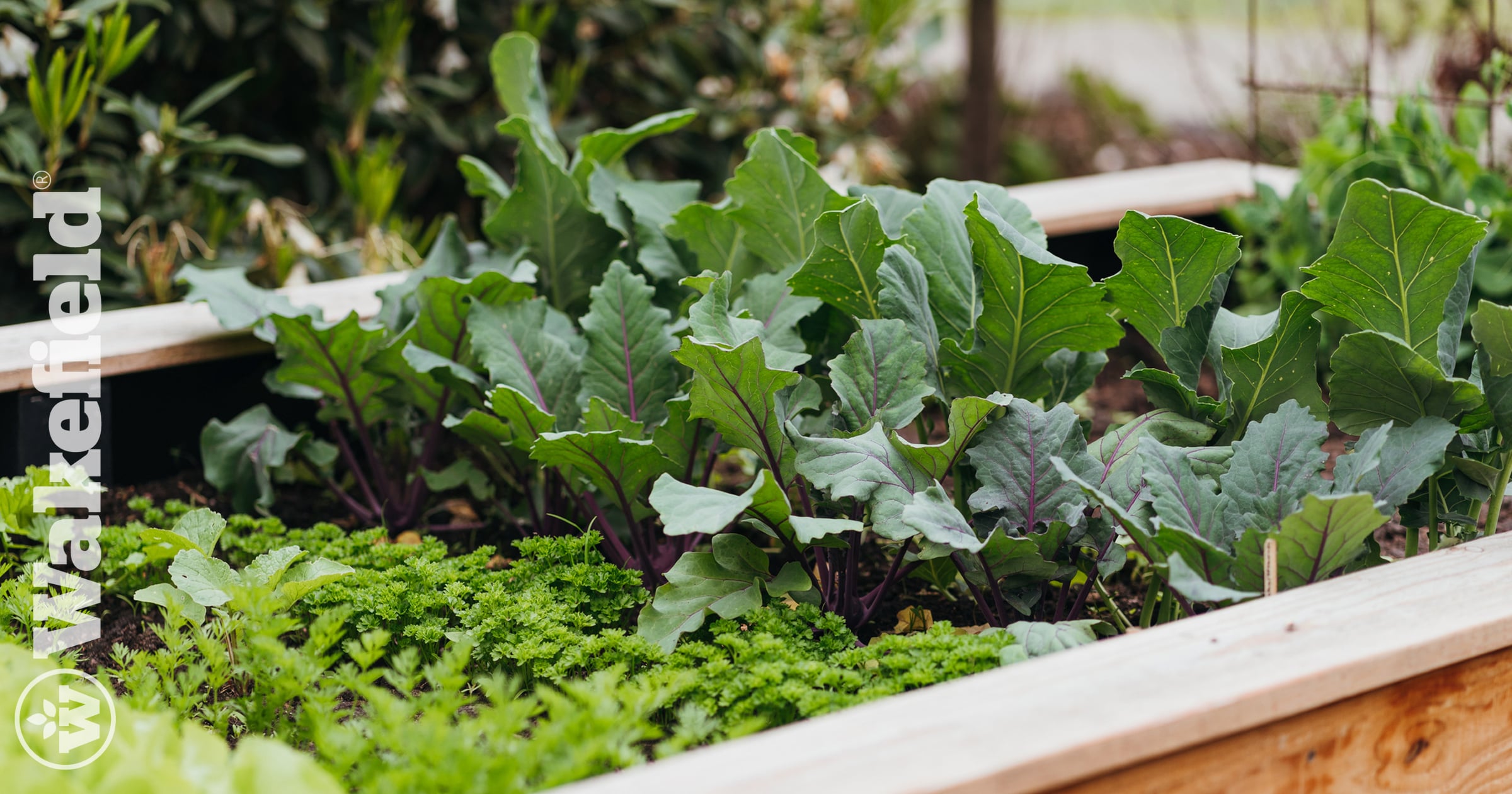
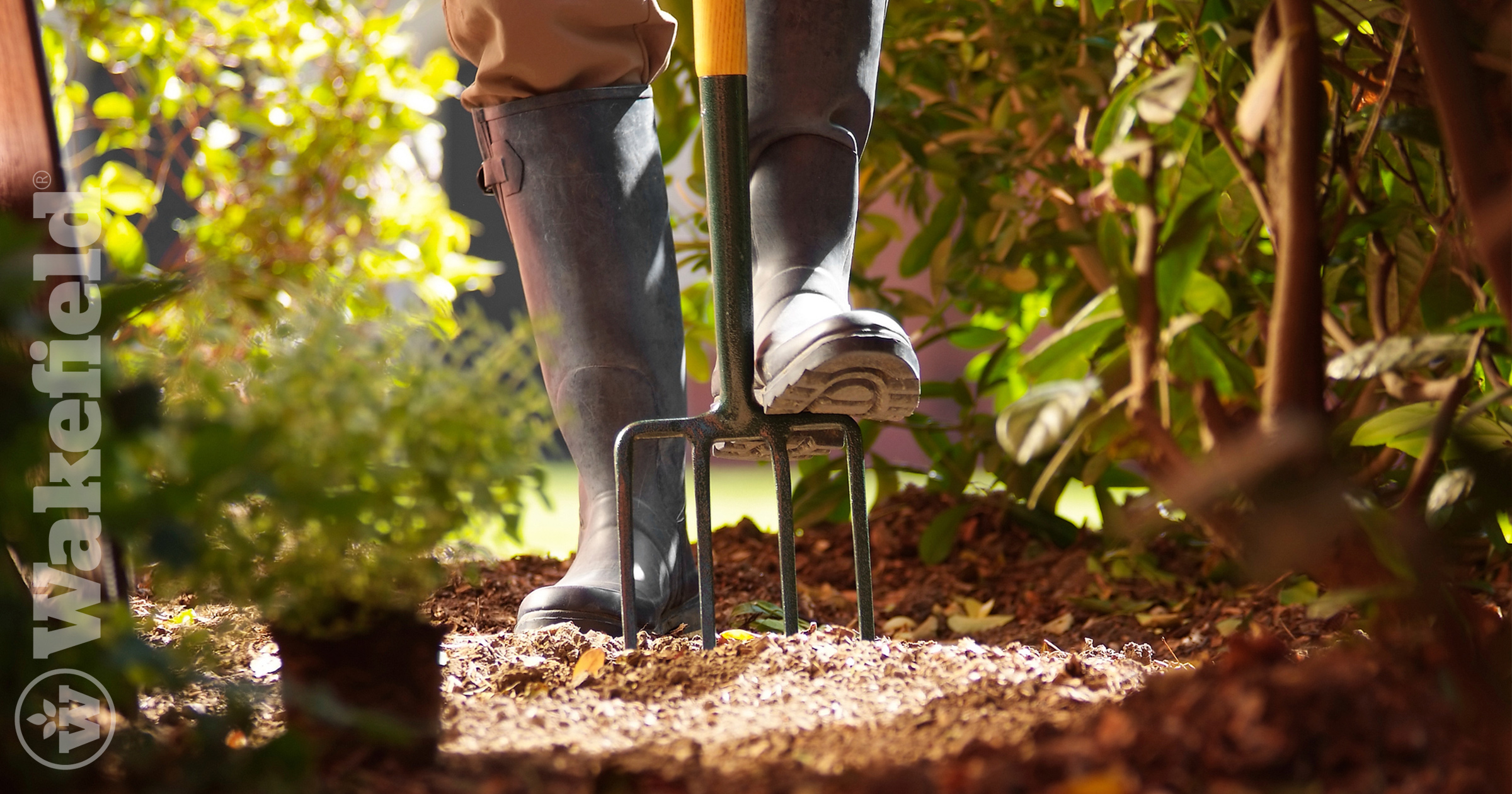
A comfortable yard does not need a short burst of fertilizer or heavy watering before guests arrive. Healthy outdoor spaces begin with soil that can manage water, air, and nutrients. Mulch exposed soil, water during cooler hours, and use established plants for natural shade and color.
Biochar can strengthen garden and landscape soil by adding durable pore space that retains moisture and nutrients. It also stores plant-based carbon in a stable form. Learn more about carbon storage with biochar and its role in long-term soil care.
Clean Up for the Next Celebration
Sort materials while cleaning instead of sending everything into one bag. Refrigerate usable food, rinse recyclables, return borrowed items, and save decorations for the next gathering. A small set of labeled bins makes the process easier for everyone.
Add suitable fruit and vegetable scraps, coffee grounds, and uncoated paper to a home compost system. Biochar can be mixed into compost, where it interacts with moisture, nutrients, and microorganisms before the finished material returns to garden soil. Keep meat, grease, and unfamiliar compostable packaging out unless the system accepts them.
Small Choices Create a Better Holiday
An eco-friendly gathering is built from practical choices rather than a single product. Reusable tableware prevents waste at the source. Careful portions keep food from being discarded. Compost returns suitable scraps to a useful cycle. Healthy soil helps outdoor spaces stay attractive while managing water more effectively.
Biochar fits into that larger approach by supporting soil and compost over the long term. Its porous structure helps retain water and nutrients, provides habitat for soil microorganisms, and remains stable through many seasons. Unlike a disposable holiday purchase, it becomes part of the landscape.
Guests can participate when the choices are easy to understand. Clear collection bins, refillable drink stations, and visible containers for leftovers invite people to help without turning the celebration into a lesson. Sharing one or two successful ideas may also inspire changes at future gatherings.
The most sustainable holiday is one that feels welcoming, uses resources thoughtfully, and leaves less to throw away when the celebration ends.