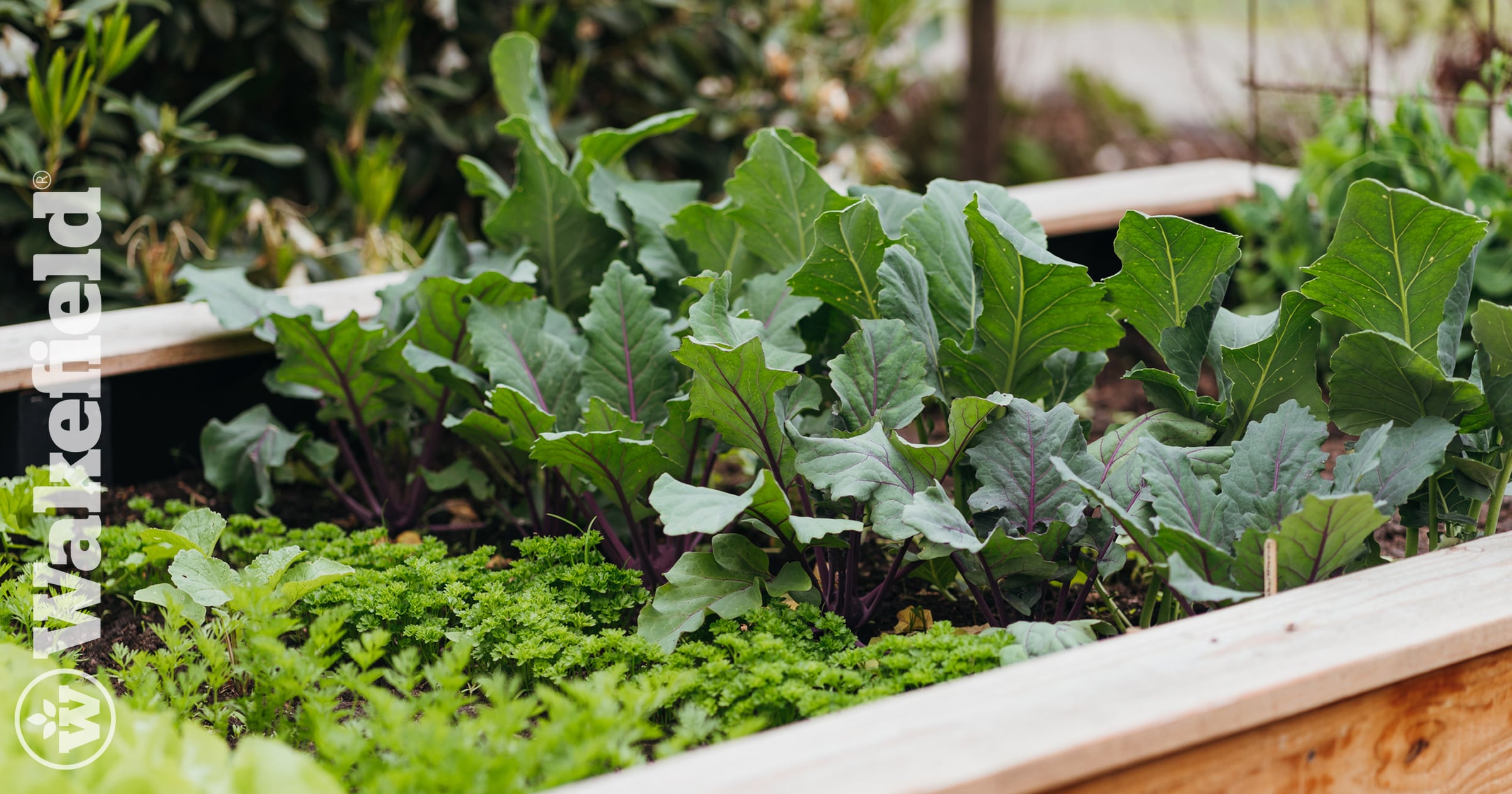
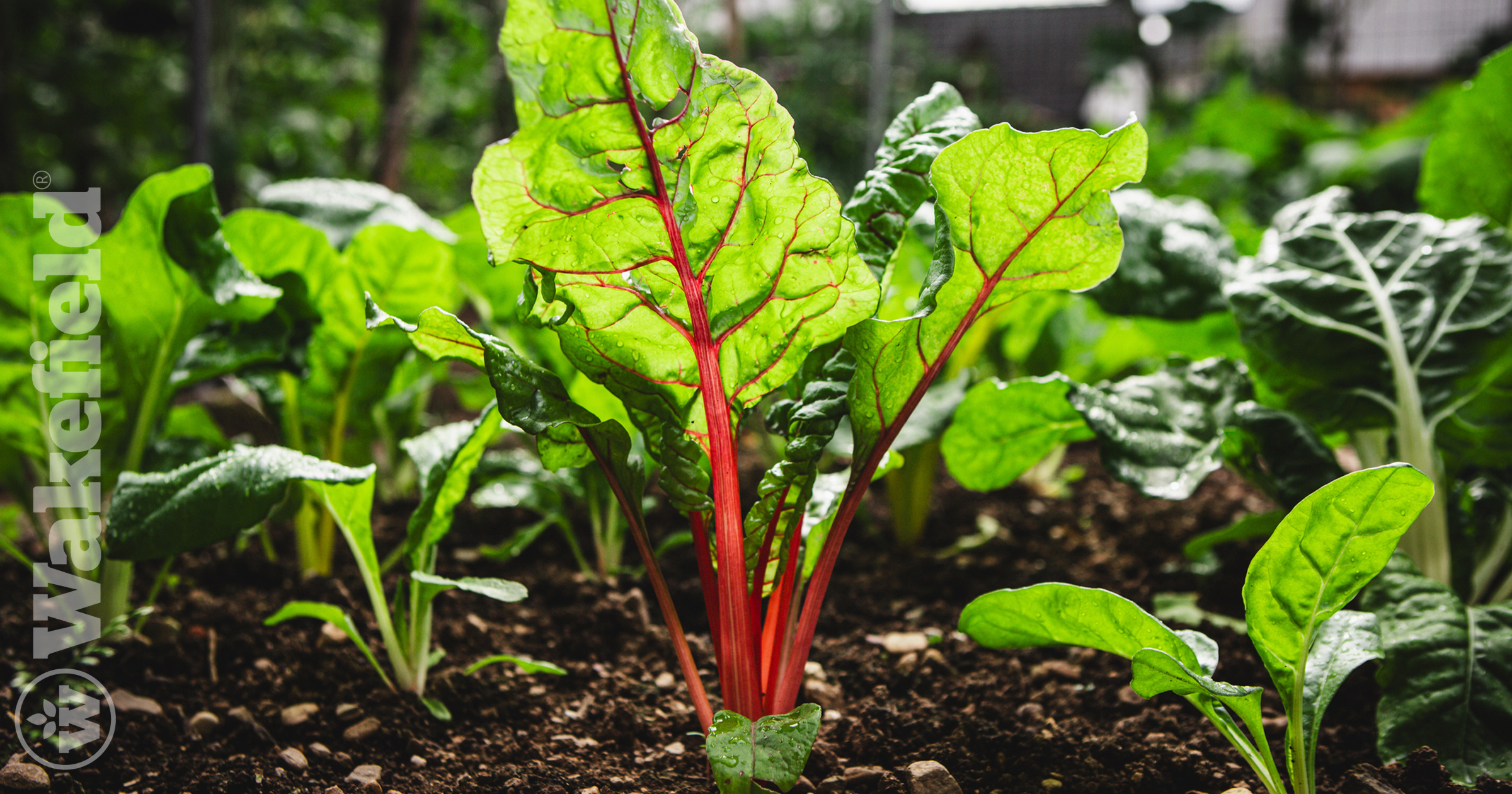
Healthy garden soil holds enough water for plants, drains excess moisture, allows roots to breathe, and keeps nutrients within reach. Soil amendments improve these functions by adding organic matter, stable pore space, minerals, or surface protection.
This guide combines the most useful information from Wakefield’s former “How to Make the Most of Your Soil” article with a practical amendment process. It begins with soil texture, then shows how compost, mulch, and biochar work together.
Recognize Your Soil’s Texture
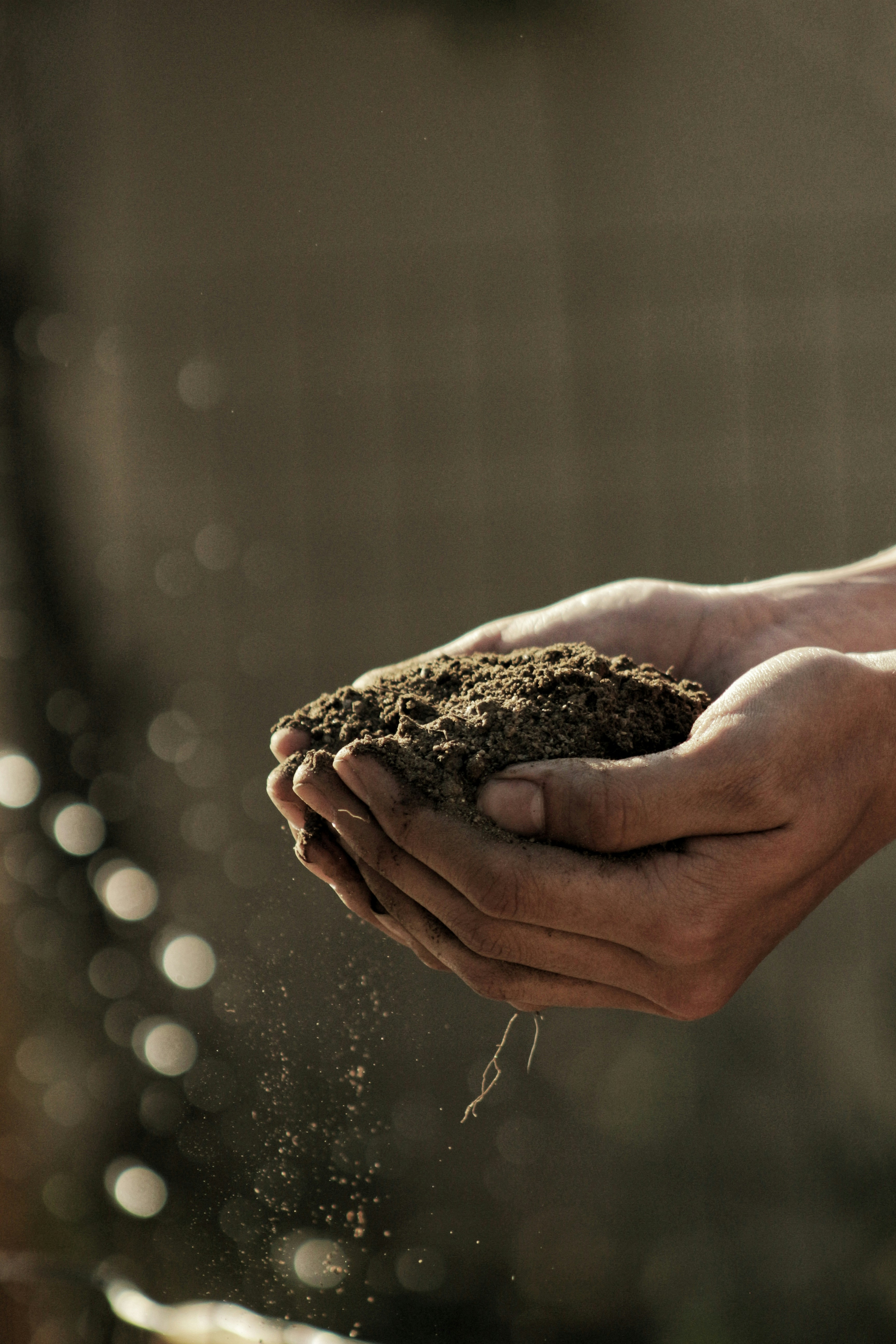
Start by handling a small amount of damp garden soil. Sandy soil feels gritty and falls apart easily. Clay feels smooth and sticky, while silt feels soft and floury. Loam combines sand, silt, clay, and organic matter into a balanced texture.
Texture helps explain how water and air move through the ground. Explore Wakefield’s guides to sandy soil, clay soil, silty soil, and loamy soil. Regional soils may also include chalky or peaty soil.
Choose the Improvement Goal
Decide what needs to work better before choosing an amendment. Fast-draining beds benefit from greater water and nutrient retention. Dense ground needs more open structure for air, water, and roots. Bare soil may need protection from heat, evaporation, and erosion.
A single garden can have more than one goal. Biochar supports several soil functions at once, while compost, mulch, and mineral amendments each serve a more specific role. Matching the material to the goal produces a more useful blend than adding products without a clear purpose.
Build Organic Matter with Compost and Mulch
Finished compost adds decomposed organic matter and plant nutrients. Blend it into new beds or place it around established plants as part of seasonal care. As compost continues to break down, it supports soil organisms and contributes to a loose, workable surface.
Mulch protects the soil from direct sun and heavy rain. A layer of leaves, wood chips, straw, or another appropriate material slows evaporation and limits weed growth. Keep mulch away from plant stems and tree trunks. Learn more about composting with biochar.
Add Biochar for Lasting Soil Structure
Biochar adds stable pore space that remains in soil for many years. Its surfaces retain water and nutrients within the root zone and provide habitat for microorganisms. These broad qualities support fast-draining, compacted, and heavily managed garden soils.
Biochar does not replace compost or fertilizer. Instead, it helps the soil manage the resources those materials provide. Combining biochar with finished compost brings long-lasting structure together with fresh organic matter and nutrients. Read more about Wakefield’s biochar soil conditioner.
Spread Amendments Through the Root Zone
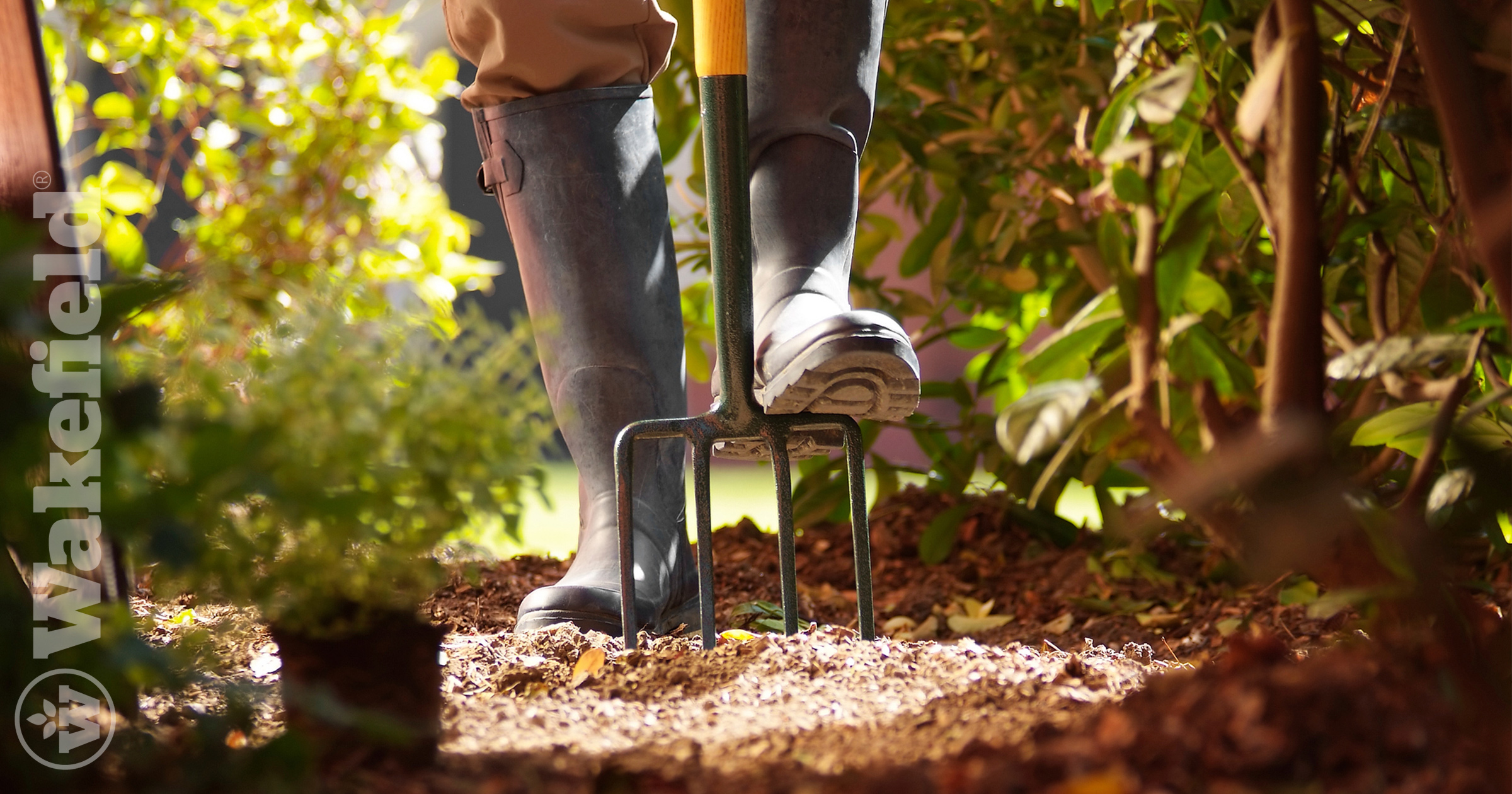
Place amendments where roots will grow rather than leaving them in isolated pockets. For a new garden bed, spread the selected materials across the surface and blend them into the upper root zone. For established beds, work around existing roots gently and avoid deep digging near mature plants.
A useful garden starting point is biochar at about 10% of the amended soil volume. Compost can make up another part of the blend based on the bed and planting plan. Even coverage gives roots consistent access to water, air, nutrients, and microbial habitat.
Protect the Improvement Over Time
After amending the bed, water it as part of normal planting care and cover exposed soil with mulch or living plants. Roots and organic cover help maintain soil structure, reduce erosion, and keep moisture from leaving the surface too quickly.
Compost and mulch can be renewed as they break down. Biochar remains in the root zone, so it does not need seasonal replacement. Add more biochar when creating new beds, expanding the planted area, or replacing soil that has been removed.
How Common Amendments Support Soil
Organic amendments come from plant or animal materials. Compost supplies organic matter and nutrients, while mulch protects the surface and slowly joins the soil as it breaks down. Biochar begins as plant material but is changed by heat into a stable, carbon-rich soil conditioner.
Mineral amendments include lime, sulfur, gypsum, and other materials used for specific soil conditions. Lime raises soil pH, while sulfur can lower it. Gypsum supplies calcium and sulfur without serving the same role as organic matter. These materials address narrower needs and should not be treated as substitutes for compost or biochar.
The strongest garden soil plans often combine functions. Compost supplies fresh organic matter. Biochar supports long-term water and nutrient retention. Mulch protects the surface. Together, they create a root zone that can respond better to heat, rainfall, irrigation, and regular garden use.
Why Biochar Has a Long-Term Role
Biochar is made through pyrolysis, which heats suitable plant material with limited oxygen. This creates a durable carbon structure that resists rapid decay. Learn more about what biochar is and how its porous structure supports soil.
Because biochar remains in place, one well-distributed application can keep interacting with water, nutrients, minerals, roots, and microorganisms across many seasons. Compost and mulch continue to be renewed, while biochar forms part of the soil’s lasting framework.

Improving garden soil is not about finding one perfect material. It is about giving soil the structure, organic matter, protection, and long-term support plants need to grow.