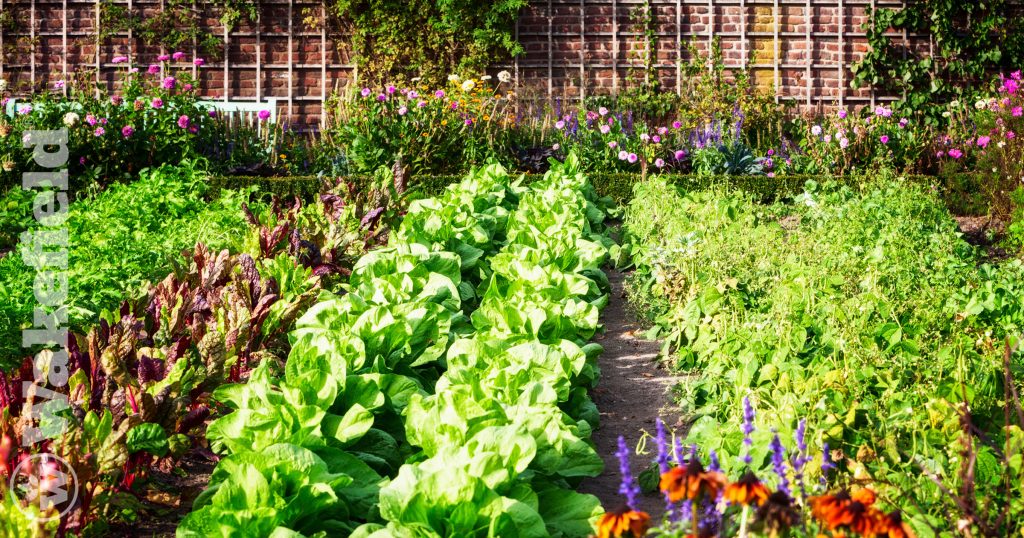
Organic gardening builds plant health by caring for the soil system. Compost, organic nutrient sources, mulch, roots, and microorganisms work together to cycle nutrients and protect the ground. Biochar complements that system with a stable, porous structure that remains in the root zone for many years.
This Guide explains how to prepare and apply biochar in organic gardens, containers, orchards, and small growing areas. The goal is not to replace compost or plant nutrition. It is to help the soil retain and manage water, nutrients, and microbial habitat over time.

Choose the Growing Area
Identify the garden bed, container, orchard row, or crop area that will receive biochar. Plan around the soil volume used by active and future roots rather than spreading material beyond the planted area.
New beds allow the complete growing mix to be prepared before planting. Established gardens can receive biochar during compost applications, replanting, bed renovation, or other work that provides access to the root zone.
Calculate the Biochar Amount
A useful starting point is biochar at about 10% of the soil volume being improved. Measure the length, width, and amendment depth, then multiply those values to find the root-zone volume. Multiply that result by 0.10 for the biochar amount.
For 100 square feet amended four inches deep, 3 to 4 cubic feet produces a blend close to 10%. Containers use the same volume-based principle on a smaller scale.
Activate It with Organic Materials
Combine biochar with finished compost, worm castings, or another nutrient-rich material used in the organic growing program. These materials supply moisture, nutrients, organic matter, and microorganisms that begin interacting with biochar’s pore network.
A simple activation blend uses equal volumes of biochar and compost. Moisten the mixture and let it rest for seven to fourteen days when practical. It can also be blended directly into the planting area.
Mix It Through the Root Zone
Spread the measured blend across the growing area before incorporating it through the planned planting depth. Turn the soil until biochar and compost are distributed without dry pockets or concentrated layers.
For established plants, work gently between root systems or place the blend in openings created during normal cultivation. Even distribution gives roots broad access to water, nutrients, air, and microbial habitat.
Add Nutrients and Surface Protection
Biochar is a soil conditioner rather than a complete fertilizer. Continue supplying plant nutrients through compost, approved organic fertilizers, cover crops, or the fertility practices used for the garden or farm.
Protect exposed soil with leaves, straw, wood mulch, living plants, or another suitable cover. Surface protection slows evaporation and erosion, while biochar supports water and nutrient retention below.
Maintain the Organic Soil System
Water after application to settle the amended soil and begin moving moisture and dissolved nutrients around biochar’s surfaces. Continue the normal planting, watering, composting, mulching, and crop-care schedule.
Compost and mulch are renewed as they break down. Biochar remains in place for many years, so it does not need seasonal replacement. Add more when creating new beds, expanding the growing area, or introducing new soil.
Why Biochar Fits Organic Soil Care
Biochar is made by heating suitable plant material with limited oxygen through pyrolysis. This process creates stable carbon with a network of pores and surfaces. Learn more about the connection between biochar and soil organic matter.
Those surfaces retain moisture and nutrients supplied by the surrounding soil system. They also provide protected spaces for microorganisms involved in decomposition and nutrient cycling. Biochar does not supply every nutrient plants need, but it helps organic inputs perform their role within the root zone.
- Compost supplies decomposed organic matter, nutrients, and active soil life.
- Organic fertilizers provide nutrients based on the crop and growing plan.
- Mulch and cover crops protect the surface and return organic material.
- Biochar provides long-lasting pore space for water, nutrients, and microbial habitat.
Use Biochar with Compost and Containers
Compost is the most direct partner for biochar. Mixing them before application improves distribution and places biochar in contact with moisture, nutrients, and microorganisms. Explore the difference between biochar and compost and why their functions complement each other.
Container growers can use the same principles with smaller volumes. Biochar becomes one component of the complete potting blend rather than a separate layer. The Biochar for Houseplants Guide provides container-specific guidance.
Long-Term Soil and Carbon Benefits
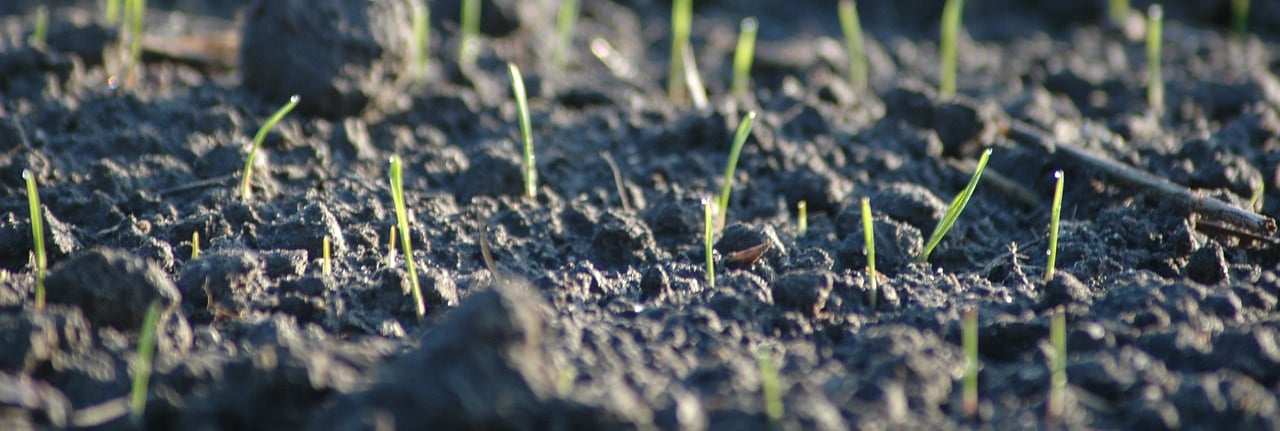
Organic materials normally return carbon to the atmosphere as they decompose. Pyrolysis transforms part of plant-based carbon into a stable form that resists rapid decay. Adding biochar to soil extends the life of that carbon while supporting the root zone. Read more about carbon storage with biochar.
This durability gives biochar a distinct place in organic growing. Compost and mulch continue cycling through the system, while biochar forms part of the lasting soil framework beneath vegetables, herbs, flowers, fruit, and other organically managed plants.