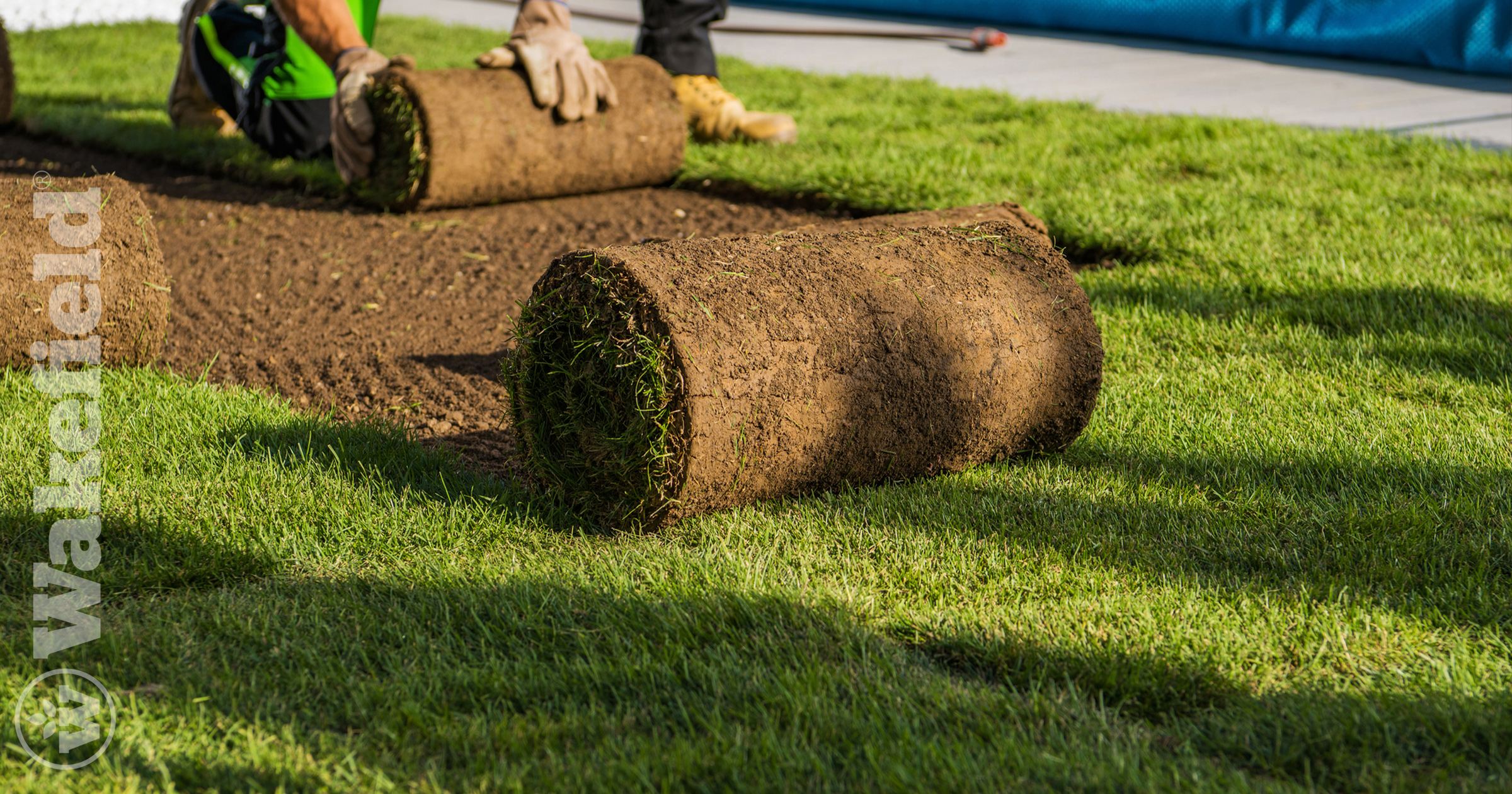
Biochar gives turf managers a way to improve what happens in the root zone. Its porous structure can help hold water and nutrients in sandy soils, where both can move through quickly. That added holding capacity supports two connected goals: keeping moisture available between irrigation cycles and retaining nutrients where turf can use them.
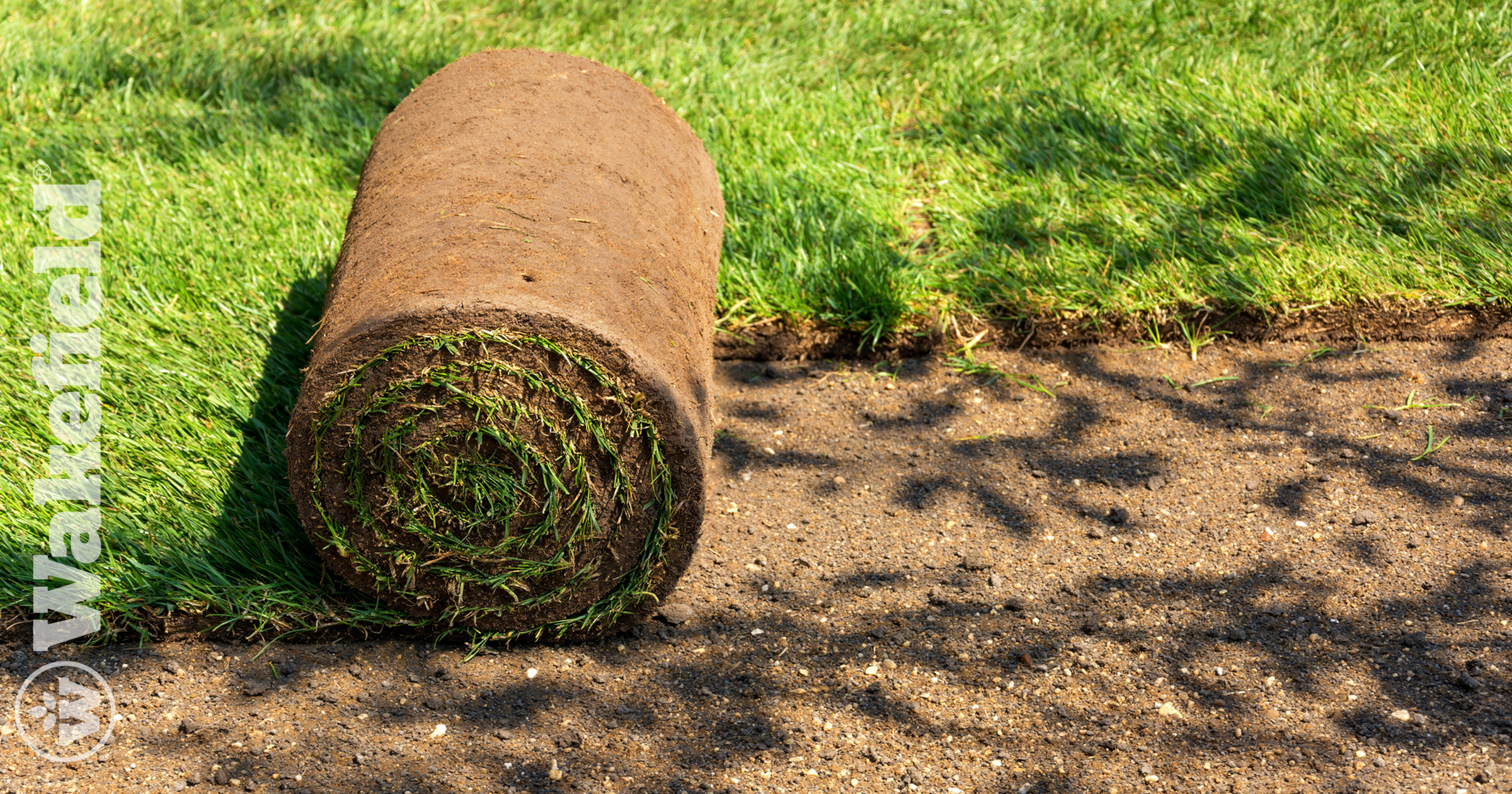
More water where turf can use it
Sand-based root zones drain well, but they may hold less water between irrigation cycles. Biochar adds porous material that can increase that storage. In a study of sand-based turf mixes, water retention rose as the proportion of biochar increased. Drainage also slowed at higher biochar proportions, so the amount in the mix matters when balancing water storage and drainage.1
Field research with tall fescue connects that water storage to turf performance. In the trial’s second year, a moderate biochar application helped maintain plant-available water and turf performance during limited irrigation. A moderate application provided a useful balance of water availability and turf performance under those conditions.2
Helping turf make better use of nutrients
Water retention is only part of the opportunity. Biochar can also help keep nutrients in the root zone: the sand-based turf study found less nitrogen leaching in mixes with more biochar.1 This makes biochar a useful complement to a turf fertility program. Our Learning Center article, Is Biochar a Fertilizer?, explains that supporting role.
The combination of biochar and nutrient-rich organic amendments has also supported turf growth. In a USDA-reported study, selected blends containing biochar and organic amendments improved creeping bentgrass shoot growth in simulated golf greens, even with reduced chemical fertilization.3

Building a better root zone
Biochar adds stable, plant-derived carbon to the root zone, along with surfaces and pores that interact with water and nutrients. Building or renovating turf gives managers an opportunity to incorporate that durable material into the soil mix.
For the sandy root zones often used in professional turf, biochar offers a way to add water and nutrient holding capacity.1 Our article on biochar in sand-based golf greens explores that application in more detail.
Biochar’s clearest contribution to professional turf management is a better-functioning root zone: one that can hold more water, retain more nutrients, and support turf growth when the amendment is well matched to the mix. Explore biochar for golf courses for application and product guidance.
Sources and notes
-
Physical and Mineral-Nutrition Properties of Sand-Based Turfgrass Root Zones Amended with Biochar Agronomy Journal, 102, 1627–1631 2010. Sand-based turf mixes showed greater water storage and less nitrogen leaching, with slower drainage at higher biochar proportions. View Source ↩
-
Second-Year Effects of Biochar, Biosolids, and Greenwaste on Tall Fescue Under Deficit Irrigation: Part II Agronomy 2026. Second-year field results comparing soil amendments under different irrigation levels. A moderate biochar application supported water availability and turf performance under limited irrigation. View Source ↩
-
Biochar-organic amendment mixtures added to simulated golf greens under reduced chemical fertilization increase creeping bentgrass growth Industrial Crops and Products, 111, 667–672 2018. Selected blends of biochar and organic amendments improved creeping bentgrass shoot growth in a 40-day simulated-green study. View Source ↩