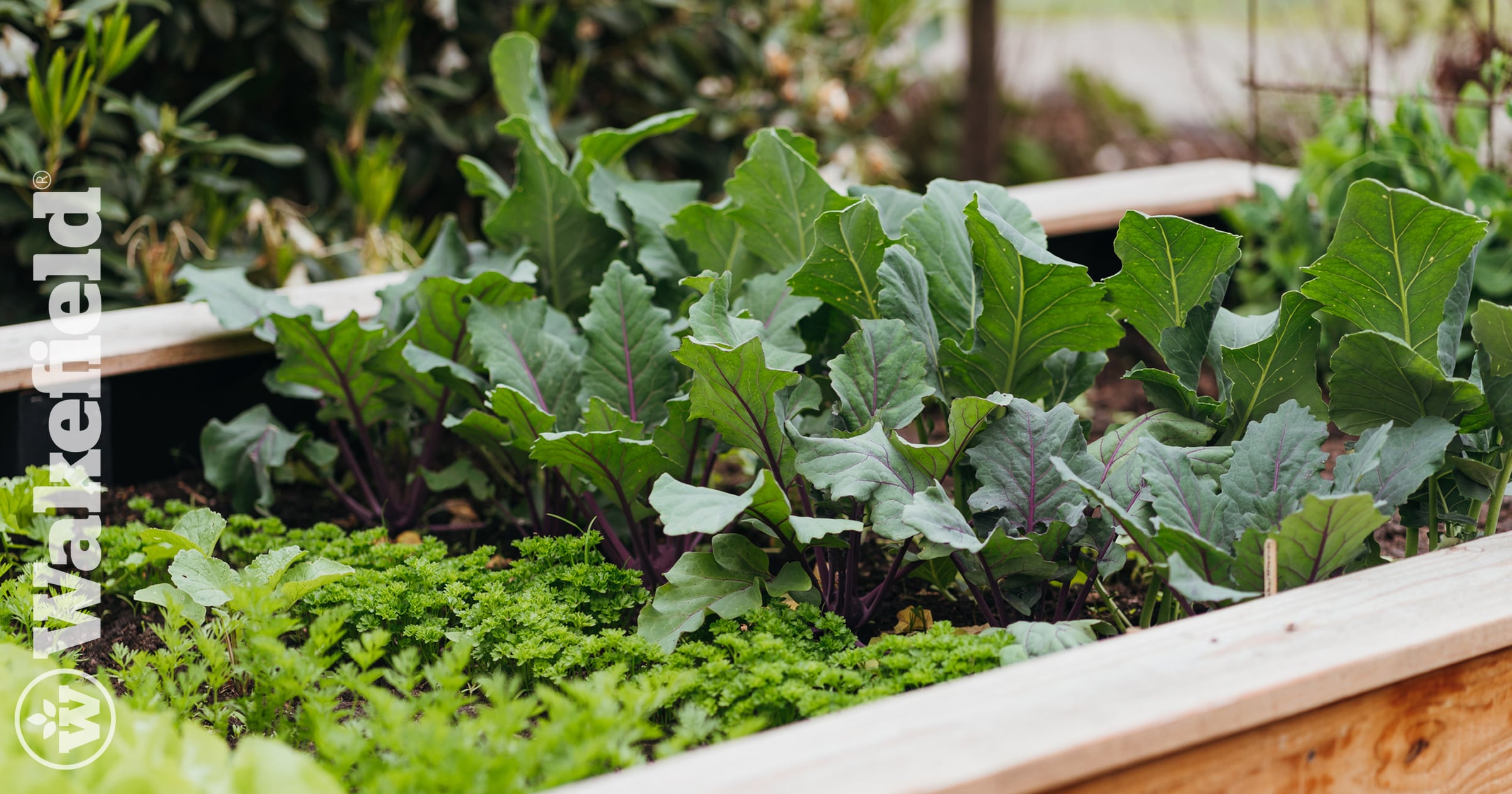

By midsummer, heat, weeds, heavy growth, and repeated watering can leave a garden looking tired. A focused refresh restores moisture, clears competition, feeds active plants, and protects the soil for the rest of the season.
Biochar supports this work by helping the root zone retain water and nutrients while maintaining pore space for air and soil life. Combined with compost and good garden care, it strengthens the soil without requiring major disturbance around established plants.
Survey the garden
Walk through the garden in the cooler morning or evening hours. Look for wilted plants, dry pockets, exposed soil, weeds, spent flowers, overgrown stems, and fruit ready to harvest. Check the soil below the surface before assuming a wilted plant needs more water. This quick review shows which areas need attention first.
Restore steady moisture
Water slowly at the base of plants so moisture reaches the full root zone. Morning watering gives leaves and paths time to dry while roots take up water before the hottest part of the day. Focus on deep, steady watering instead of frequent surface sprinkling. Biochar already mixed into the soil helps retain moisture between watering periods.
Remove weeds and tired growth
Pull weeds before they flower or set seed so they stop competing with garden plants for water and nutrients. Remove damaged leaves, dead annuals, and spent flowers. Harvest ripe vegetables and fruit promptly. Light cleanup improves airflow, directs plant energy toward new growth, and makes the remaining midsummer work easier.
Refresh the root zone with compost and biochar
Blend prepared biochar with finished compost, then spread the mixture around established plants without piling it against stems. Work it gently into the loose surface where space allows, taking care not to damage roots. Compost supplies fresh organic matter and nutrients, while biochar helps retain water and fertility in the root zone.
Protect the soil with mulch
Cover exposed soil with a layer of clean organic mulch such as shredded leaves, straw, or untreated wood material. Mulch shades the surface, slows evaporation, softens the impact of heavy rain, and limits new weed growth. Keep it slightly away from plant stems and tree trunks so air can move at the base.
Support the next round of growth
Give actively growing plants the compost or fertilizer appropriate for the crop, then continue harvesting and deadheading. Fill empty spaces with short-season vegetables, herbs, flowers, or a cover crop suited to the remaining warm weather. The refreshed soil can support late-summer growth and prepare the bed for fall.

Why Biochar Helps During Summer
Summer gardens depend on consistent access to water. Biochar’s porous structure captures moisture and keeps more of it within the root zone between rain or irrigation. This does not replace regular watering, but it helps the soil make better use of the water it receives. Learn more about biochar and water conservation.
Those same pores retain nutrients supplied by compost and fertilizer. Biochar surfaces also provide habitat for microorganisms involved in breaking down organic matter and cycling nutrients. This combination supports a root zone that remains active through hot weather and continues improving after summer ends.
Pair Biochar with Finished Compost
Compost and biochar serve different but complementary roles. Compost brings fresh organic matter, nutrients, and living organisms. Biochar adds a durable carbon structure that holds resources and creates long-lasting pore space. Mixing the two before application distributes the biochar evenly and introduces moisture and nutrients to its surfaces.
Gardeners who maintain an active compost pile can add biochar during the composting process. The Guide to composting with biochar explains how the materials work together from the start.
Keep Midsummer Work Gentle
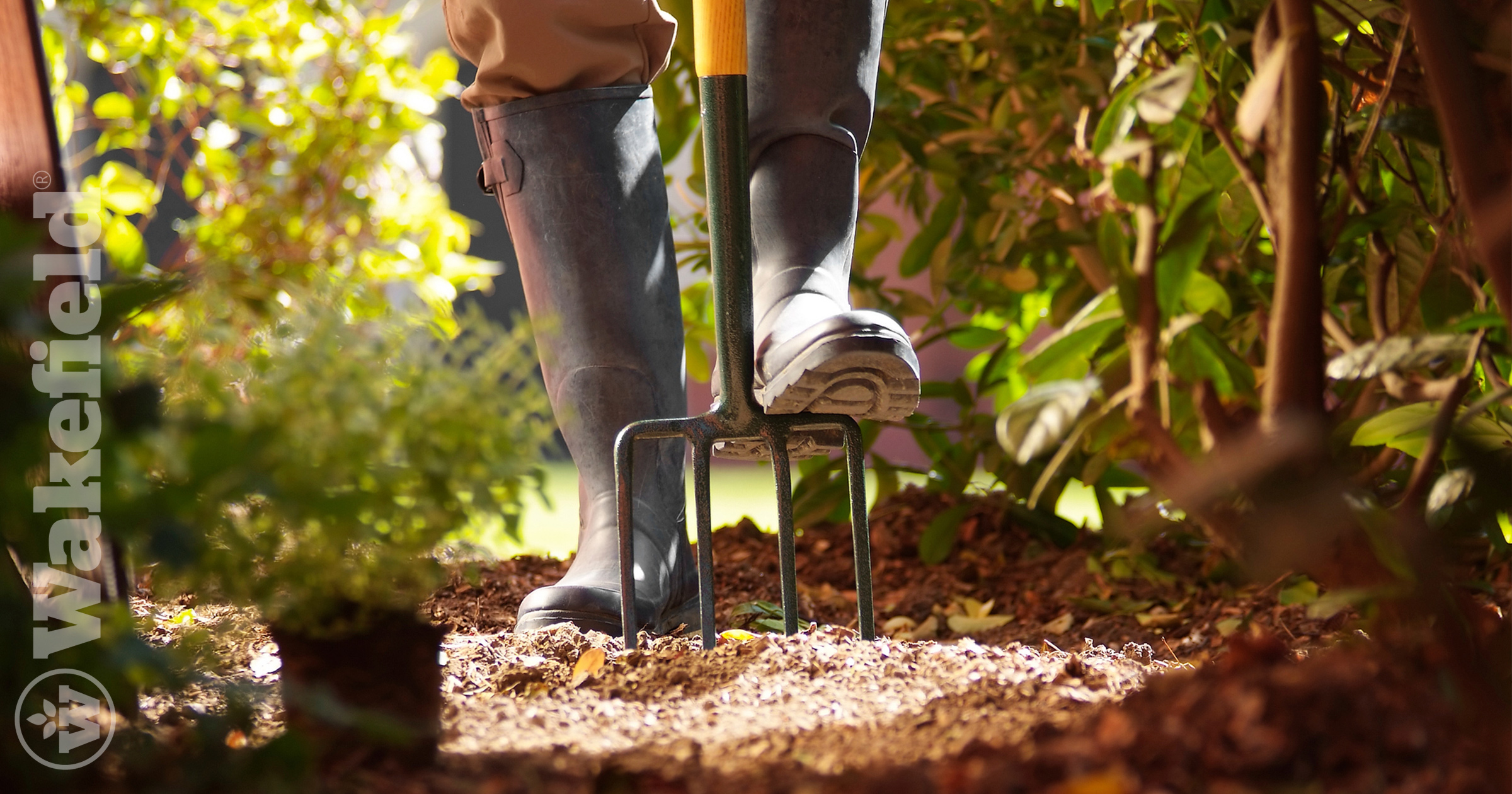
Established roots occupy much of a productive garden bed by midsummer. Avoid deep digging or aggressive tilling around active plants. Apply amendments at the surface and work them into open soil only where roots will not be disturbed. Save major bed renovation for a planting transition or the end of the season.
Application amounts depend on whether biochar is being mixed into a new bed, added during transplanting, or used around established plants. Review how much biochar to add to soil before beginning the root-zone refresh.