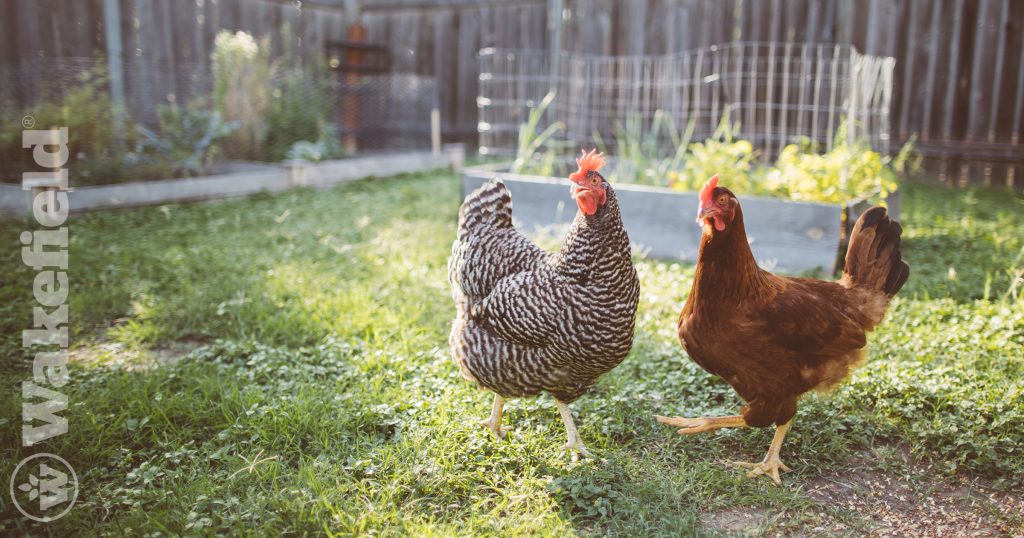
Poultry farms manage a steady flow of bedding, manure, moisture, and nutrients. When litter becomes wet, it can produce stronger odors and release more ammonia into the poultry house. Biochar offers a practical way to manage that material while creating value beyond the barn.
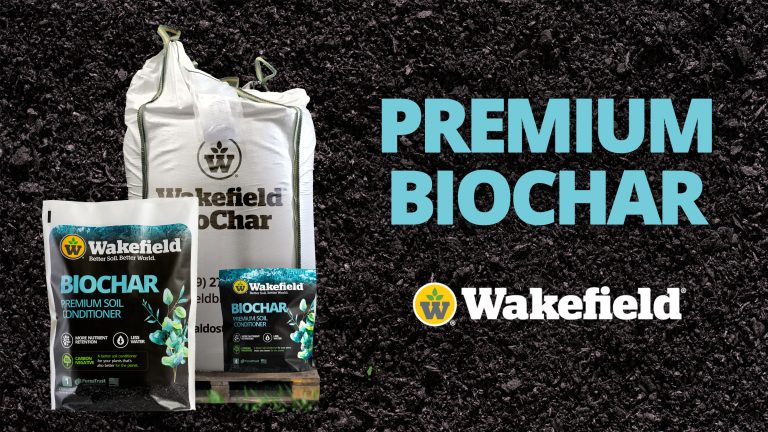
Biochar is a porous, carbon-rich material made by heating biomass with limited oxygen. In poultry systems, it can be added to litter or manure compost. Its large internal surface area helps hold moisture, nitrogen compounds, and organic material.
Managing Poultry Litter with Biochar
Poultry litter usually combines bedding material, manure, feathers, spilled feed, and water. The condition of that litter affects the environment inside the poultry house. Damp litter can cake together, create odors, and encourage ammonia to move into the air.
Wood-based biochar adds dry, porous particles throughout the bedding. Those particles absorb moisture and provide surfaces that hold ammonium and other compounds. This helps litter manage moisture more evenly and keeps more nitrogen in the material instead of losing it to the air as ammonia.
Better litter conditions support a cleaner poultry-house environment for birds and workers. Biochar also helps control odors by retaining some of the compounds created as manure breaks down. These functions come from the same pore structure behind many of the benefits of biochar in soil.
Biochar and Poultry Manure Composting
Biochar continues working after litter leaves the poultry house. When litter and manure are composted, biochar helps manage moisture and creates pore space within the pile. That structure supports air movement and gives composting organisms more surfaces to occupy.
Nitrogen is one of the most valuable parts of poultry manure, but some can be lost through ammonia emissions or runoff. Biochar helps retain nitrogen compounds during composting. Research on composting poultry litter has also found lower methane, nitrous oxide, and ammonia emissions in biochar-amended systems.
The finished material combines the nutrients and organic matter in composted poultry litter with biochar’s stable carbon and porous structure. This creates a useful agricultural amendment that supports nutrient cycling, water management, and soil life.
From Poultry Waste to Healthier Soil
Poultry litter is not simply a waste product. It contains nutrients and organic matter that can return to agricultural soil. Adding biochar helps keep more of that value in the material as it moves from poultry housing through composting and into a field or growing system.
Once applied, the compost supplies plant nutrients and organic matter. The biochar remains as a long-lasting soil conditioner that holds water and nutrients near roots, supports microorganisms, and stores plant-based carbon. Learn more about using biochar with animal manure.
This cycle connects poultry production, manure management, and soil health. A material that begins as wood waste helps manage poultry litter, improves compost, and then supports the soil where crops grow.
Additional Poultry Biochar Research
The Ithaka Journal paper Biochar in Poultry Farming provides an early overview of biochar in litter, manure, and poultry production. A later systematic review of animal-waste composting examines biochar’s role in moisture management, emissions, and the composting process.