In 2014, the City of Minneapolis and the Shakopee Mdewakanton Sioux Community (SMSC) launched a biochar and compost partnership. Their goal was larger than testing a soil amendment. The project connected urban agriculture, access to culturally important foods, environmental education, stormwater management, and climate action.
The Community Challenge
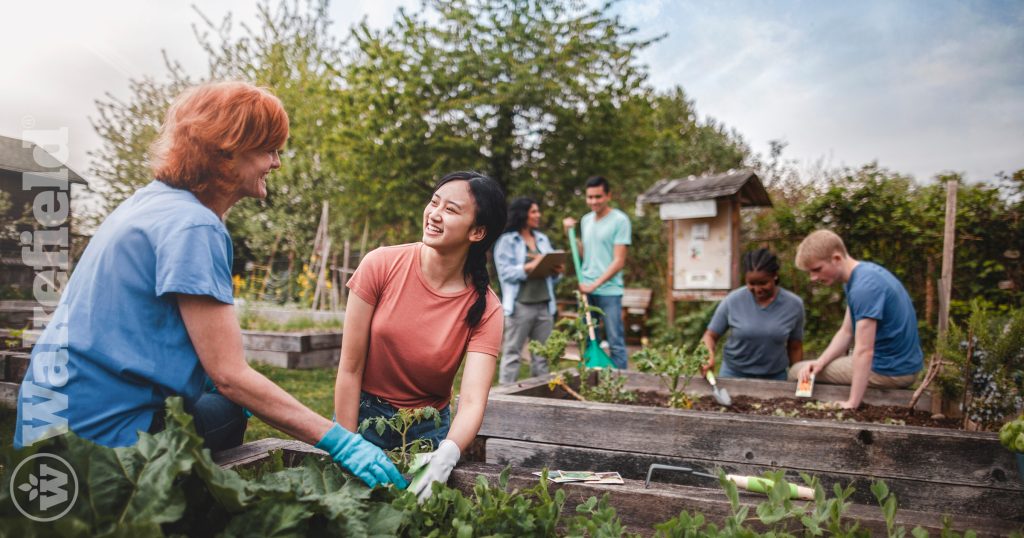
Minneapolis wanted to help historically underserved communities grow more fresh food in limited urban space. Many garden sites also faced compacted or low-quality soil, uneven water access, and the heat of the urban environment. At the same time, the region needed productive uses for organic materials and wood waste.
The SMSC brought experience in composting through its Organics Recycling Facility. Minneapolis brought community partnerships and urban garden sites. Together, they explored whether a blend of compost and biochar could create more productive soil while supporting food access and environmental stewardship.
The Demonstration Gardens
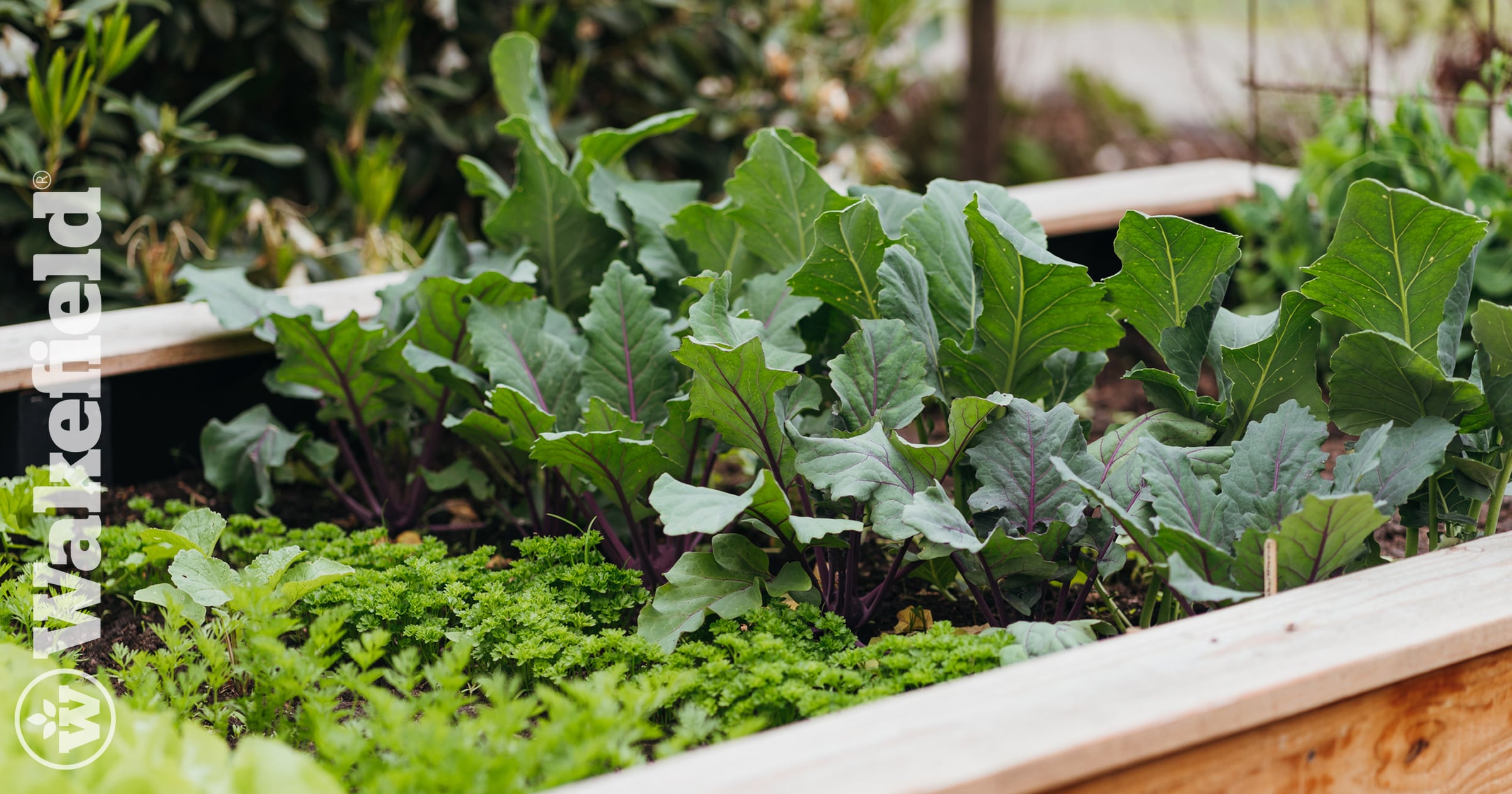
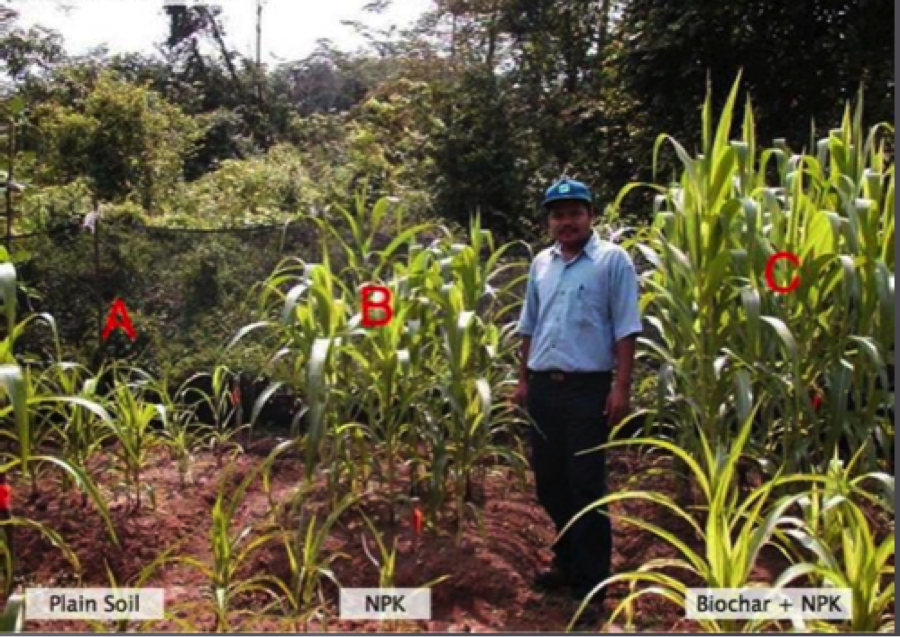
The early demonstration used comparison plots with untreated soil, compost, and a compost-and-biochar blend. Plots were established on SMSC land and in the Minneapolis urban core. This side-by-side design allowed participants to observe differences in plant growth under the same local conditions.
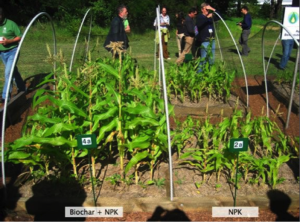
The compost-and-biochar plot showed the strongest visual growth. A later Little Earth trial compared a biochar-compost plot with a compost-only plot while growing corn, beans, and squash using the Three Sisters method. Project reporting described improvements in plant color, health, size, yield, and drought resistance in the biochar treatment.
Why the Blend Supported Growth
Compost and wood-based biochar bring different strengths to soil. Compost supplies organic matter and plant nutrients. Biochar adds a porous structure that holds water and nutrients in the root zone, supports airflow, and provides habitat for soil organisms. The blend helps plants make better use of the resources already present in the soil.
Those benefits matter in urban gardens, where growing space is limited and soil conditions can be difficult. Better moisture retention helps plants through hot, dry periods. Improved structure gives roots room to grow, while nutrient retention supports continued production from a small area.
From Garden Trial to Citywide Program
The partnership expanded into five Minneapolis demonstration gardens, each connecting biochar with community food production and education. The work also became part of a broader municipal approach to biochar. Minneapolis has since used biochar and compost in community gardens, boulevard plantings, rain gardens, urban trees, and other green infrastructure.
The city now describes biochar as a tool for turning tree waste into healthier soil, stronger drought resilience, better stormwater management, and long-term carbon storage. What began as a question in community garden plots helped build the experience and partnerships needed for a larger urban biochar program.
This case study shows the value of pairing practical demonstrations with community goals. Biochar supported plant growth, but the larger result was a model that connected soil health with food access, cultural priorities, waste reduction, and climate planning.
Sources
-
Garden Study Trying Out a Better Way to Grow Food Press Release 2014. Describes the five demonstration gardens, partnership goals, and biochar-compost program. View Source
-
Growing Relationships: Biochar Applications to Address Health Disparities in the Urban Native American Community US Biochar Initiative presentation 2016. Reports observations from the Little Earth biochar-compost and compost-only garden comparison. View Source
-
Biochar Program Environmental Programs 2026. Documents how the partnership and demonstrations developed into the city's current biochar program. View Source