
Agriculture Biochar
Biochar for Field-Scale Agriculture
Support healthier soil, better water retention, and more efficient fertilizer use across your acreage.
Wakefield supplies Biochar AG™ for farms and commercial growers in 2-cubic-yard bulk bags or loose truckloads. Tell us about your operation—we’ll help you plan quantity and delivery.
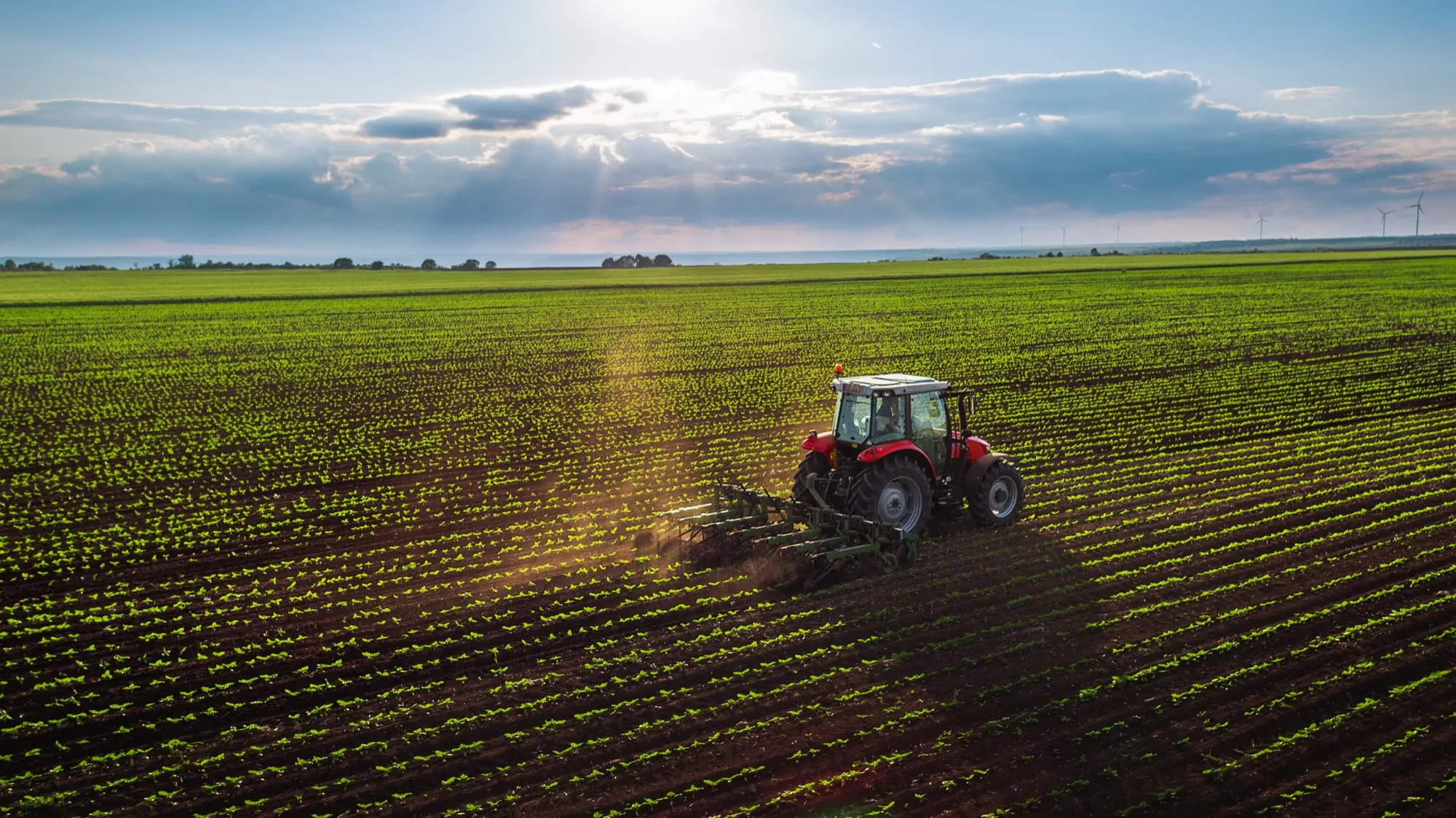
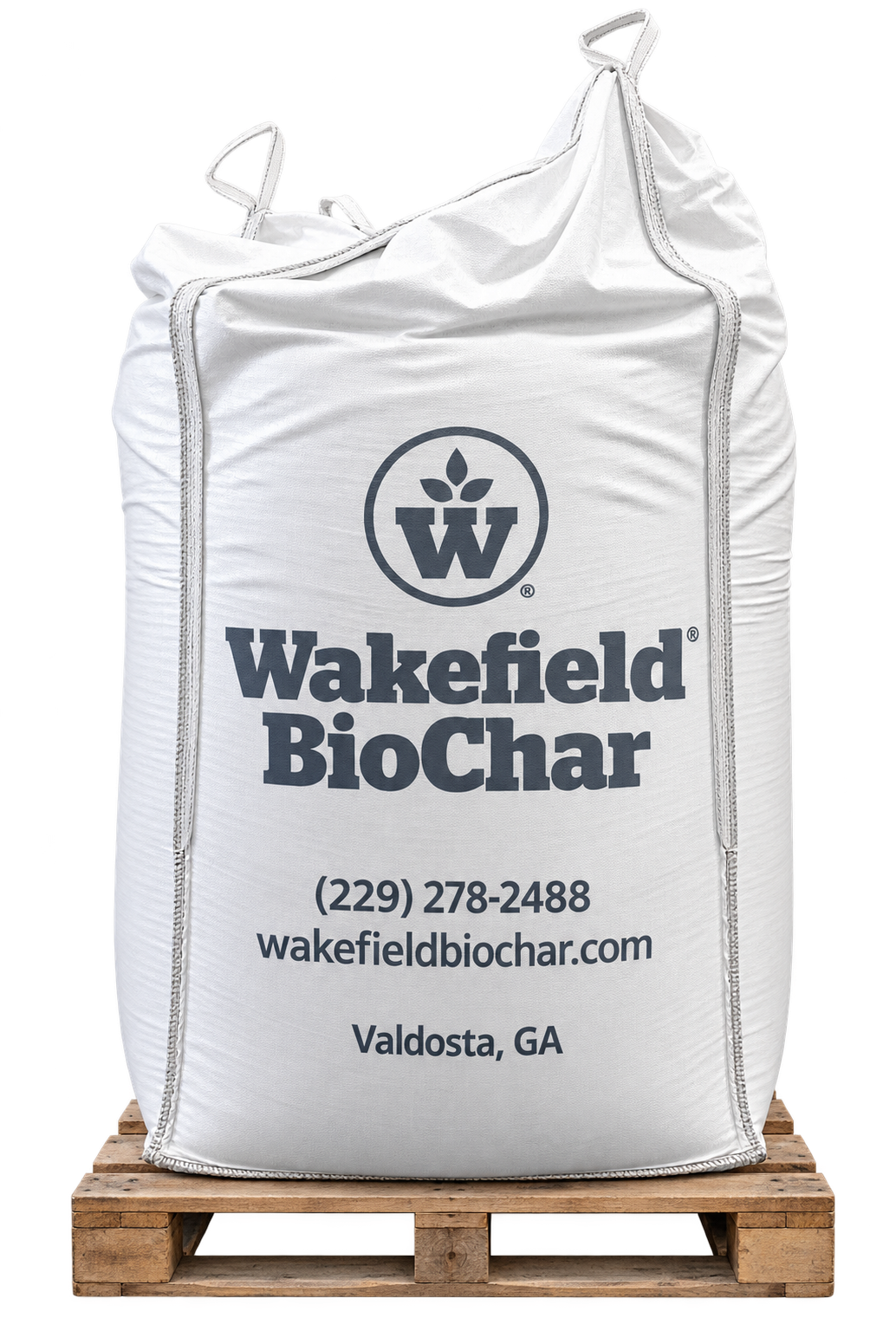
Build Healthier Agricultural Soils
Water Retention
Biochar can help soil retain moisture, supporting water availability between rainfall or irrigation. The benefit varies with soil texture, application rate, and growing conditions.
Nutrient Retention
Biochar can help hold nutrients in the root zone where crops can use them. Incorporate it alongside fertilizer, compost, or other amendments as part of your fertility plan.
Soil Structure
Biochar adds a porous, long-lasting material to agricultural soils. It can improve soil structure and support conditions for root growth and soil microbes.
Biochar for Field-Scale Applications
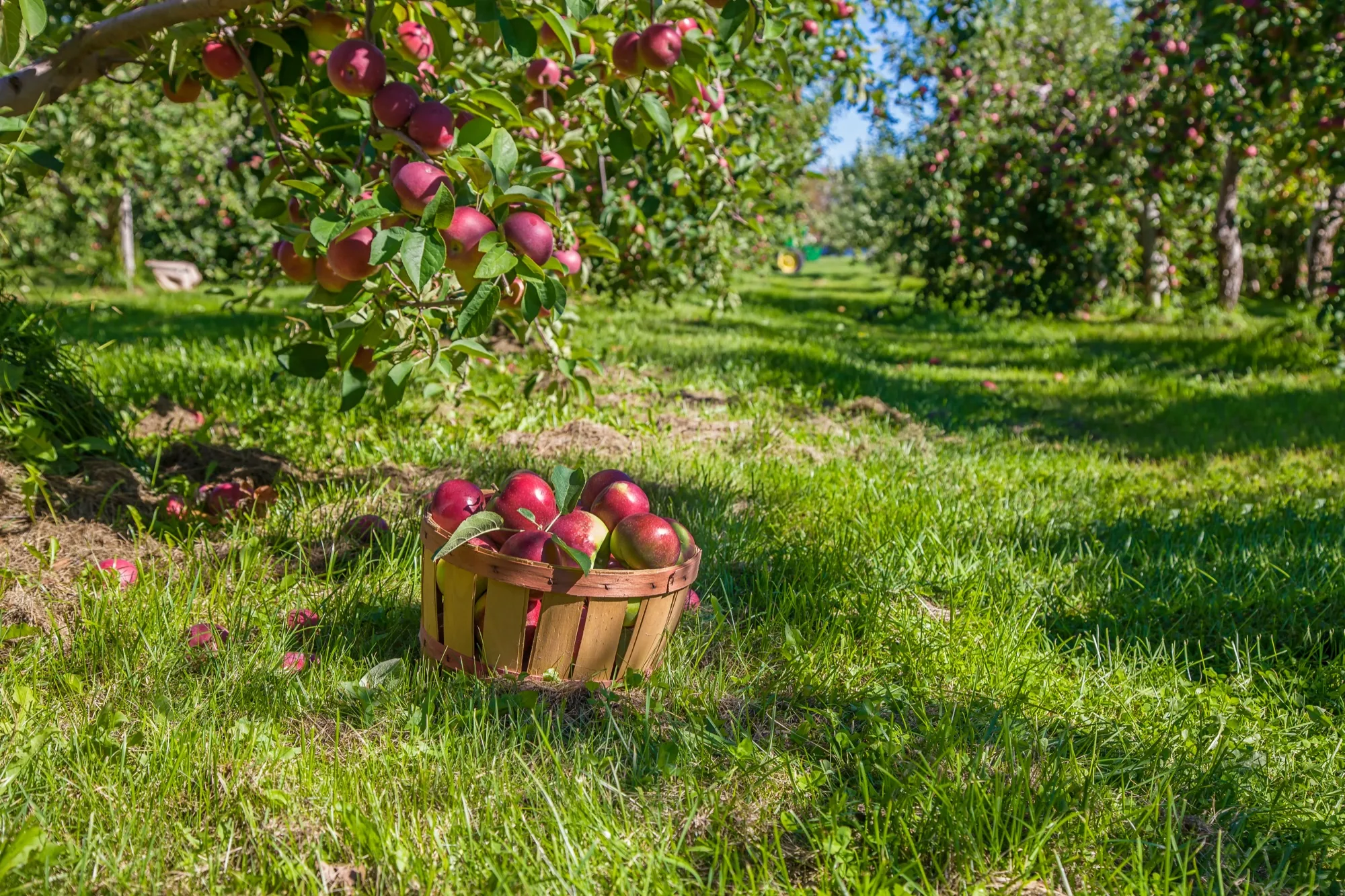
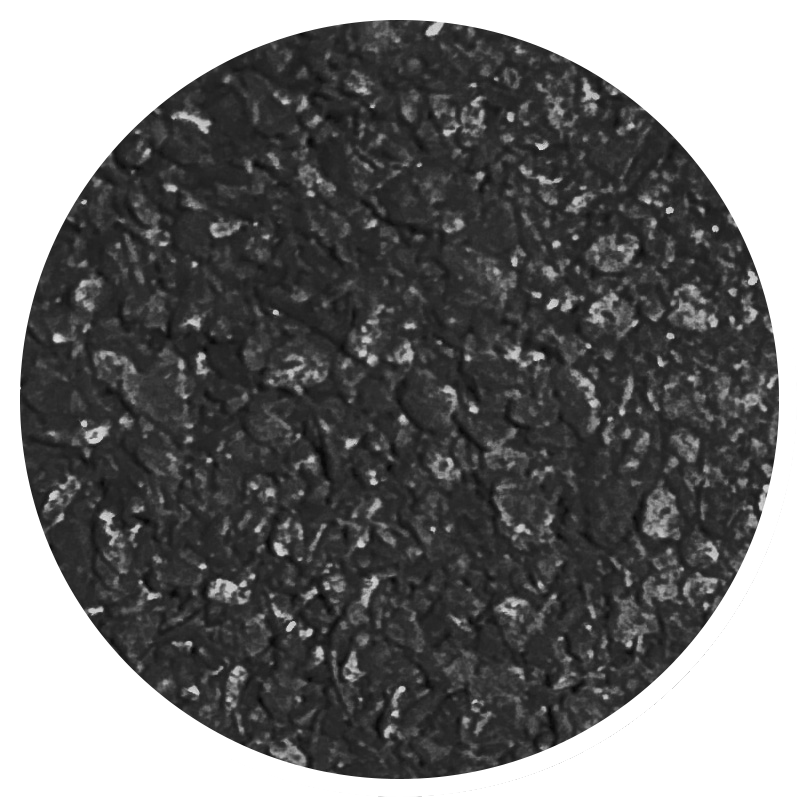
- Organic Carbon: 50–65%
- Particle Size: ≥ 90% below 2 mm
- Moisture: 50–60%
Wakefield Biochar AG™
For farms, fields, and larger soil-improvement projects
Biochar AG is an economical biochar soil amendment for farms and commercial growers. It supplies carbon-rich material for field applications and is available in 2-cubic-yard bulk bags or loose truckloads.
Product values reflect typical material properties and may vary by lot. See the specification sheet for the full particle-size distribution and measurement details.
When to Choose Premium Biochar
Consider Premium Biochar when higher carbon concentration and lower ash matter for your soil mix or application. For most broad-acre applications, start with Biochar AG. Both products are covered by the OMRI listing named Wakefield Biochar Soil Conditioner.
Plan Around Your Crops and Field Operations
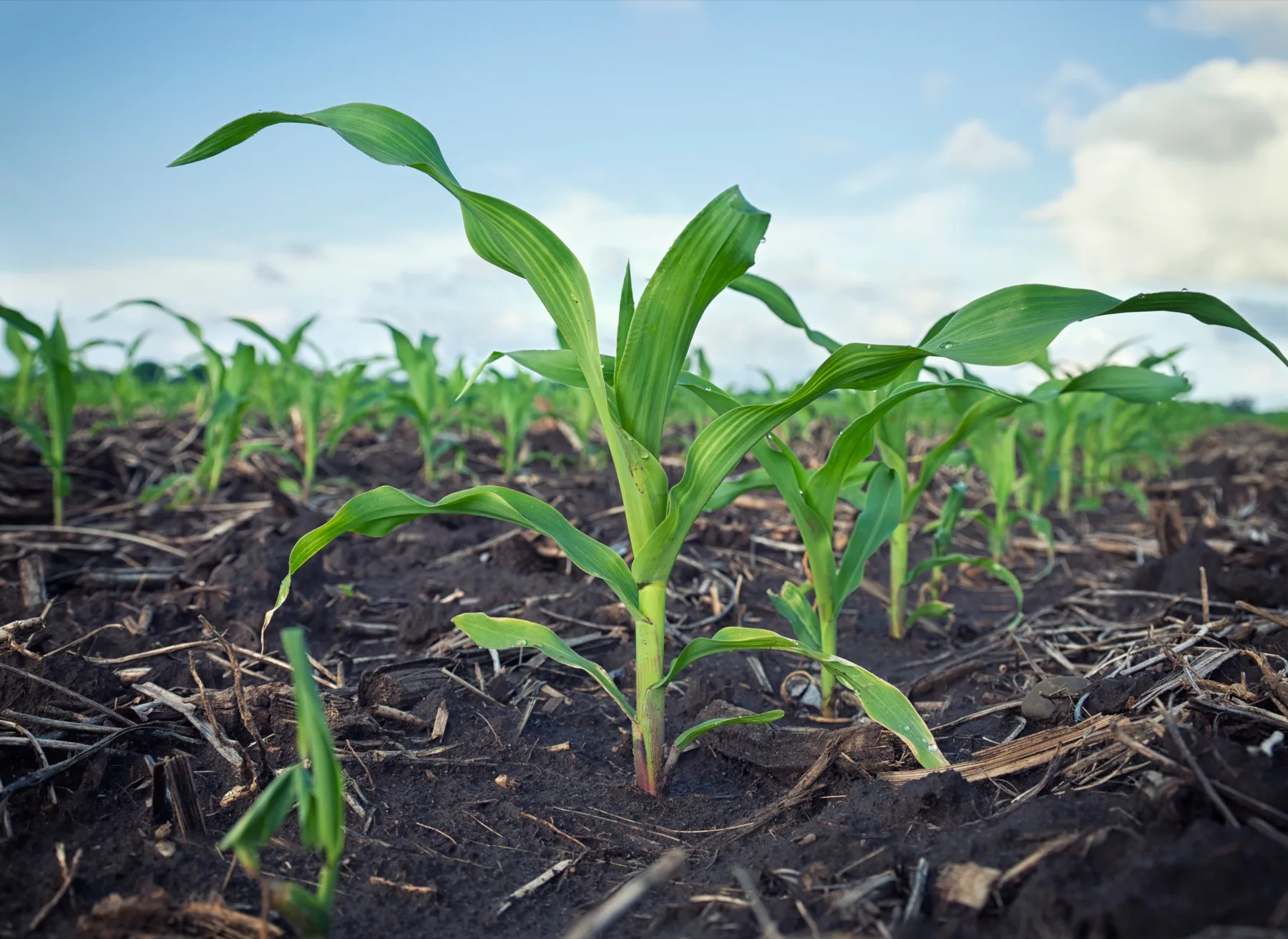
Row Crops
Plan biochar application around soil conditions, incorporation, and your planting schedule. For broad-acre planning, approximately 5–9 tons of Biochar AG per acre is a starting estimate, depending on soil conditions and project goals. Confirm the rate with a qualified local agronomist; this is general planning guidance. Tons are US short tons.
Vineyards and Orchards
For establishment or replanting projects, discuss the planting layout, area to be treated, and incorporation plan. Start with 5–10% biochar by volume of the finished soil mix.
Application and Handling
- Incorporation: Work biochar into the soil before planting when your field schedule allows, bringing it into contact with the root zone.
- Spreading: Use professional-grade farm spreading equipment. Hopper agitation helps material flow. Small handheld lawn-and-garden spreaders are generally not suitable.
- Moisture: Biochar AG is supplied moist to help reduce dust during handling and spreading. Additional water is typically unnecessary before field application.
Bulk Biochar Ordering and Delivery
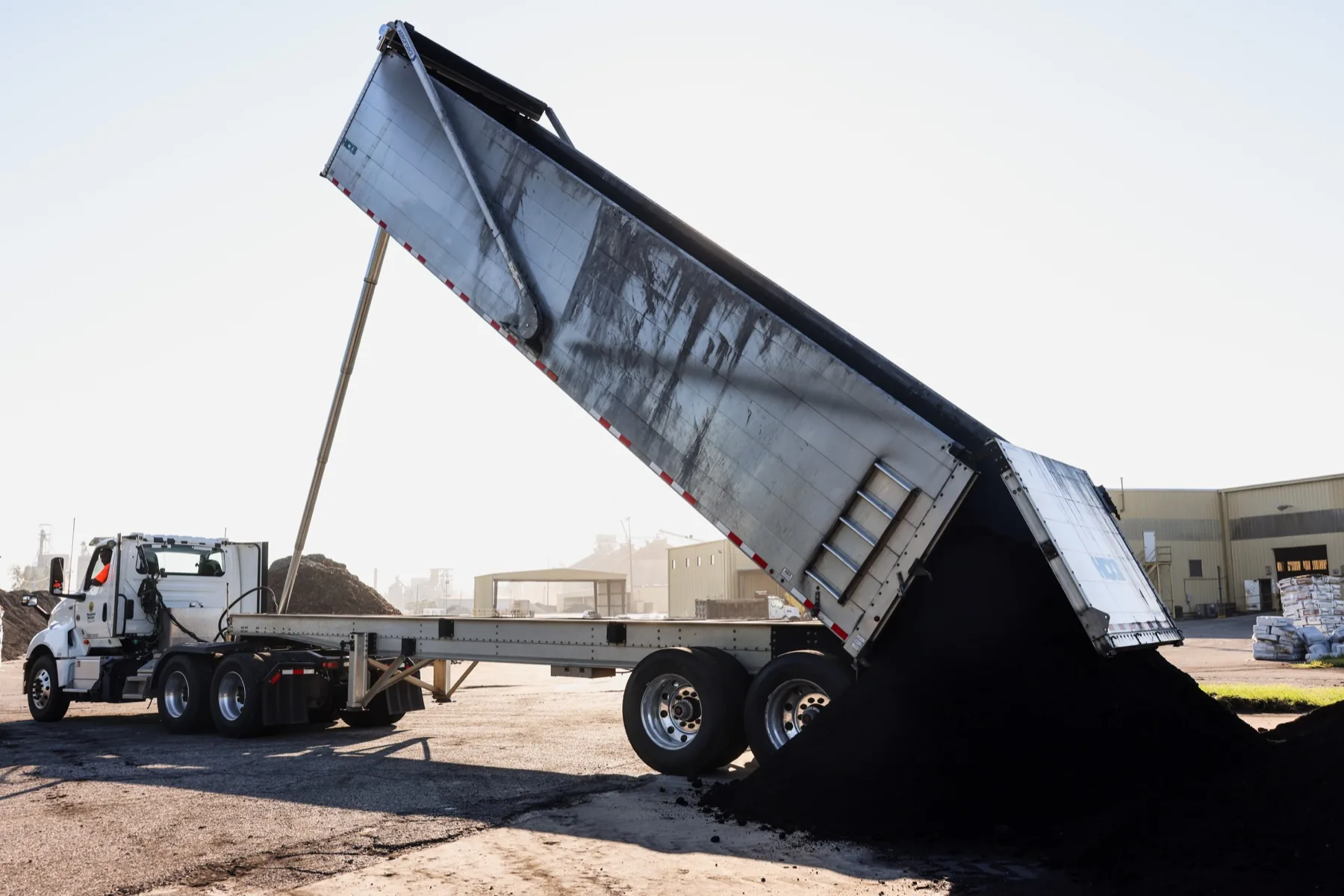
Order Biochar AG in 2-cubic-yard bulk bags or loose truckloads. The minimum order is one bulk bag; ordering four or more usually improves freight cost per bag. Pricing depends on volume and delivery requirements. Loose loads generally start at one truckload, about 16–20 US short tons; final invoicing uses actual shipped weight.
Orders from less-than-truckload quantities through a single full truckload typically ship in 2–3 days. Multiple full-truckload orders typically ship in 1–2 weeks. Transit time is additional.
We ship throughout the United States from Valdosta, Georgia. Products are priced FOB Valdosta, with freight quoted separately. Plan for the unloading equipment and receiving space your delivery format requires.
Planning a Biochar Project With NRCS
Biochar may qualify for conservation assistance through USDA’s Natural Resources Conservation Service (NRCS). Contact your local NRCS office early to discuss your soil goals, available funding, and project requirements before starting work.
Wakefield can provide available Biochar AG product documentation to support your planning. Share the requirements from your NRCS office so we can help identify the appropriate documents.
FAQ
Can you help estimate how much biochar I need?
We can help plan supply quantity and delivery around your application plan. Share the treatment area or soil-mix volume and a rate established with your local agronomist or qualified adviser. Site-specific soil diagnosis and application prescriptions belong with that local expert.
Should I choose Biochar AG or Premium?
Biochar AG is the starting choice for most broad-acre applications. Consider Premium when higher carbon content and lower ash matter for your soil blend. Both are covered by the OMRI listing named Wakefield Biochar Soil Conditioner; tell us if your project needs documentation.
Can Wakefield provide documentation for an NRCS project?
Yes. Tell us what your local office requires, and we can provide available product documentation. Confirm program eligibility and project requirements with your local NRCS office.
Can I arrange my own freight or commercial pickup?
Yes, by prior arrangement. Coordinate commercial freight or pickup with Wakefield so we can confirm loading arrangements and shipping documentation. Pickup requires a commercial truck, applicable DOT requirements, and a bill of lading. We cannot load pickup trucks or other small vehicles.
Agriculture Biochar Quote
Tell Us About Your Growing Operation
Tell us what you want to improve in your soil and how biochar fits into your growing operation. Share your acreage or treatment area, delivery location, and preferred timing, along with any known application rate or equipment details. If you have a product and quantity in mind, include them in your message.
We’ll respond within one business day to discuss your quote, quantity, and delivery. If you need help choosing, we can discuss suitable options.