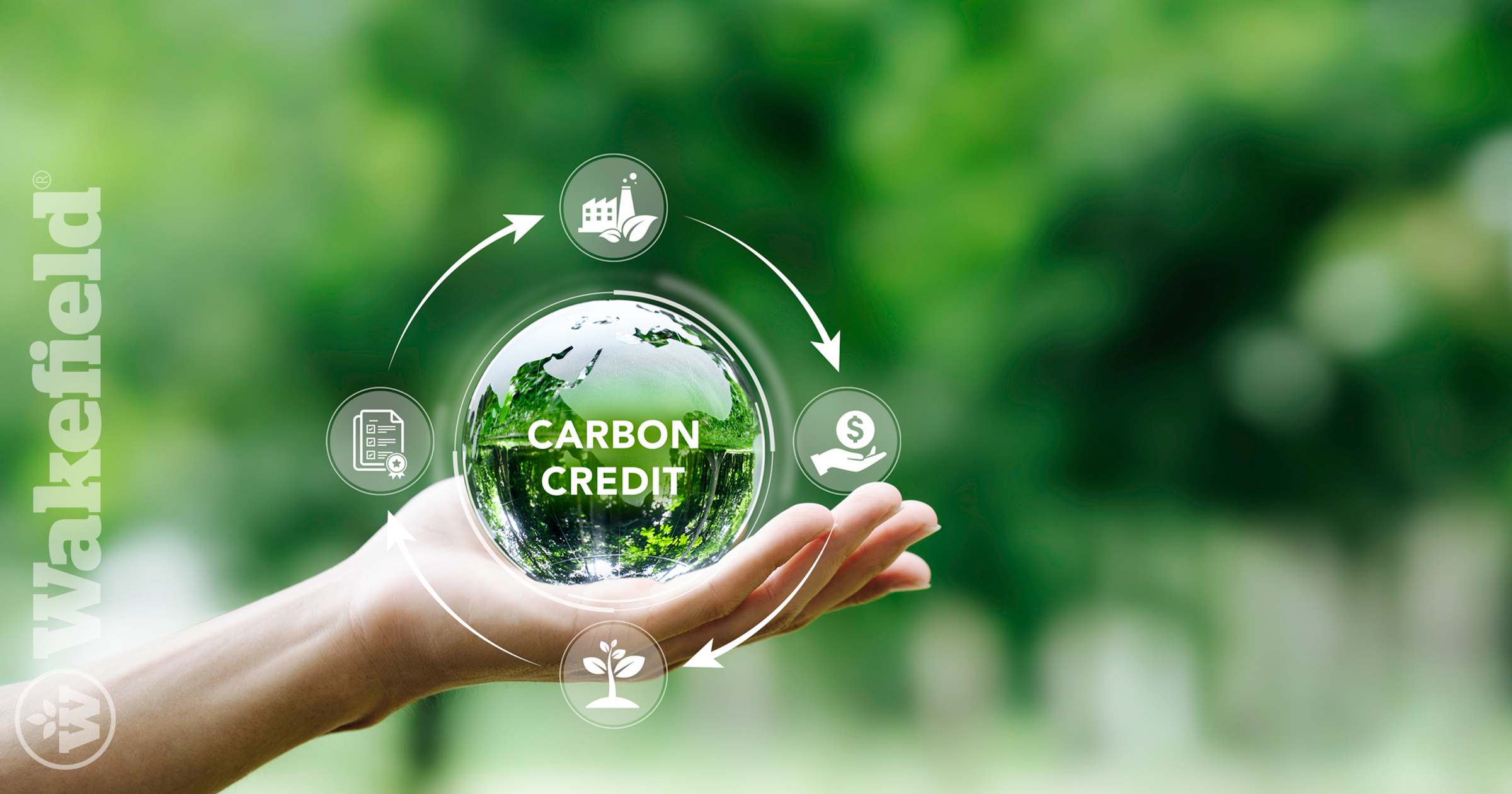
Biochar carbon credits turn measured carbon removal into a product that organizations can purchase and retire. The credit supports a process that converts biomass into stable carbon, places that carbon in an approved long-term use, and verifies the net climate benefit. Carbon finance can then help producers expand biochar systems that also improve soil, manage water, reuse wood waste, and support environmental projects.

What Are Biochar Carbon Credits?
Plants remove carbon dioxide from the atmosphere as they grow and store carbon in their tissues. When wood decays or burns, much of that carbon returns to the atmosphere. Pyrolysis changes this cycle by heating biomass with very little oxygen and converting part of it into stable, carbon-rich biochar.
One carbon-removal credit represents one metric ton of net carbon dioxide equivalent removed from the atmosphere. For biochar, the credited amount is not simply the weight of the material or the carbon it contains. It is the verified removal remaining after the project accounts for production emissions and confirms that the biochar enters an approved durable use.
How Biochar Carbon Removal Is Verified
A carbon-crediting methodology defines what a producer must measure, document, and monitor. The review covers the biomass source, production process, biochar properties, energy use, transportation, and final application. It also calculates how much of the biochar carbon is expected to remain stored over the credit’s durability period.
Emissions from collecting biomass, operating equipment, processing biochar, and moving materials are subtracted from stored carbon. Independent auditors review the facility and its production records. After the registry accepts the verified results, it issues serialized credits that can be tracked through sale and retirement.
Puro.earth calls its credits CO2 Removal Certificates, or CORCs. Its biochar methodology includes requirements for responsible biomass sourcing, production, carbon accounting, approved end uses, monitoring, and durability. Registry records make issued and retired credits visible to buyers and the public.
Wakefield BioChar and CORCs
Wakefield converts wood waste into biochar and directs the material into soil and other long-term applications. Wakefield facilities have completed third-party audits under the Puro Standard, and the Puro registry lists issued and retired CORCs for Wakefield Biochar Facility 2. A separate Facility 4 listing documents its certification journey and available credits.
Buying a retail bag of Wakefield BioChar does not automatically transfer a carbon credit to the customer. The physical biochar and its verified carbon-removal certificate are tracked separately to prevent two parties from claiming the same removal. A credit buyer receives the claim only after the serialized credit is transferred and retired through the registry.
Why Carbon Finance Matters
Carbon-credit revenue helps make new removal projects possible. It can support equipment, audits, transportation, facility growth, and the movement of biochar into long-term uses. For wood-product mills and other biomass generators, this creates an alternative to disposal or short-lived uses and strengthens beneficial reuse.
The climate value comes with practical benefits. In soil, wood-based biochar helps retain water and nutrients, supports soil structure, and creates habitat for microorganisms. Other forms can support filtration, remediation, construction materials, and industrial applications. This combination makes biochar carbon removal different from a credit that provides no useful material after carbon is stored.
Biochar has become a leading part of the durable carbon-removal market. CDR.fyi’s map of certified U.S. projects shows the growing role of biochar among issued removals. Buyers can compare projects by methodology, registry status, audit records, durability, issuance, and retirement history.
Biochar carbon credits connect climate accounting with real materials and working systems. They help turn wood waste into stable carbon while expanding applications that benefit soil, water, agriculture, industry, and communities. Learn more about Wakefield’s commitment to the environment and sustainability.