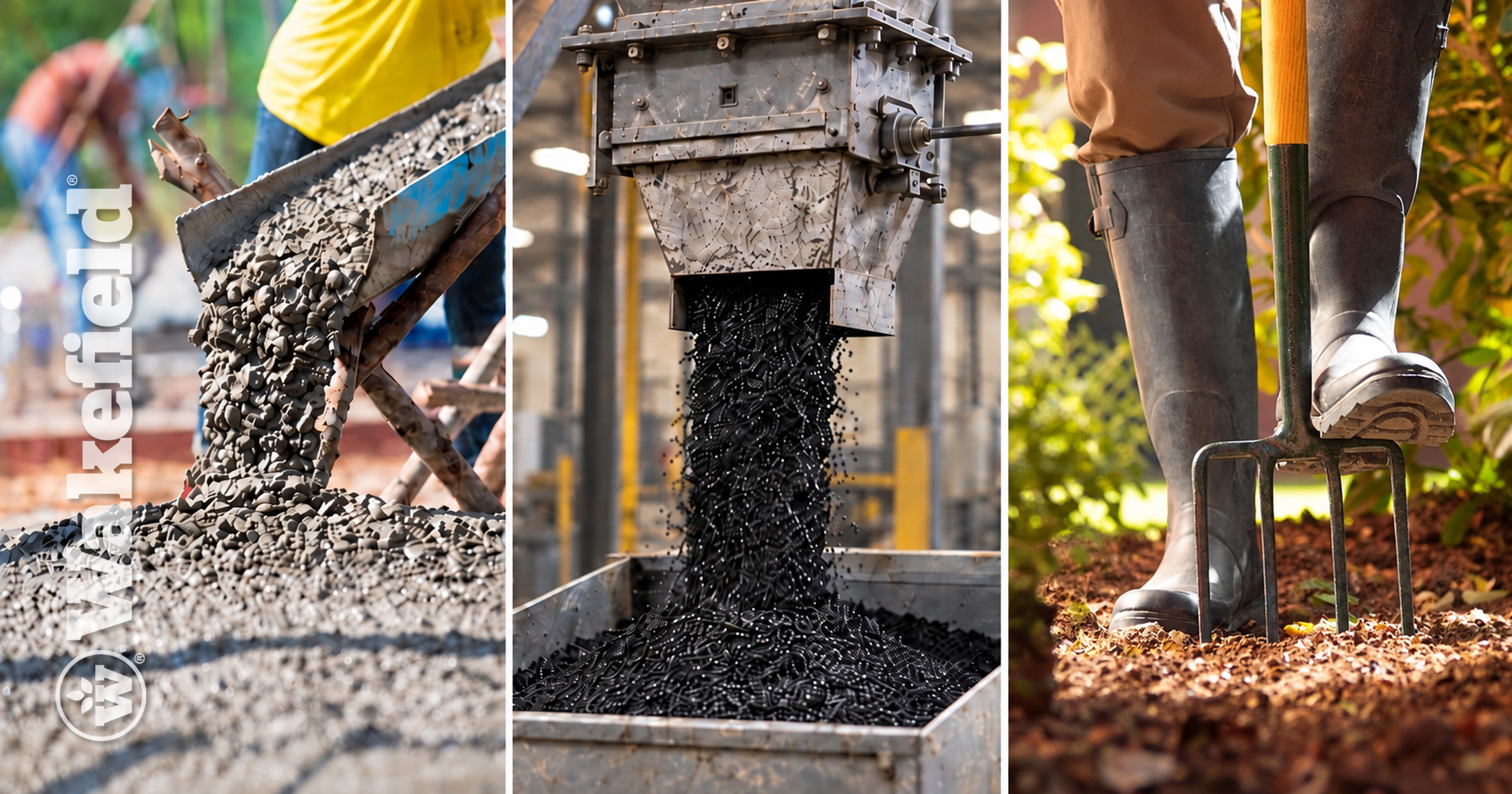
What is biochar, and how is it made?
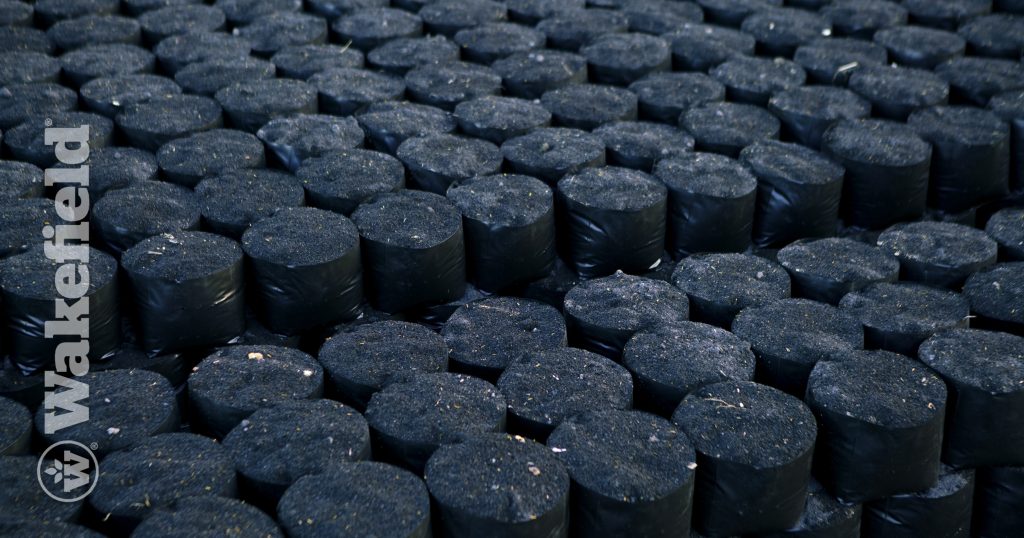
Biochar is a carbon-rich material made by heating biomass—such as wood or crop waste—with little or no oxygen. This process, called pyrolysis, turns part of the biomass into a solid material that looks like charcoal.1
If you want to improve soil, develop a product or put renewable carbon to work, biochar offers several paths forward. Understanding how it works helps you choose the right material for the job.
The source material and how it is heated shape the biochar’s pores, chemistry and carbon content. Further processing creates different sizes and forms, from soil amendments to fine powders that supply renewable carbon for manufactured products.
Wakefield makes its biochar from wood and plant materials. These include pre-consumer Southern Yellow Pine residuals—wood left over from mill, farm and forestry operations—and screened wood and plant debris recovered after hurricanes.2 Turning these materials into biochar gives them a useful next purpose in soils and manufactured products.
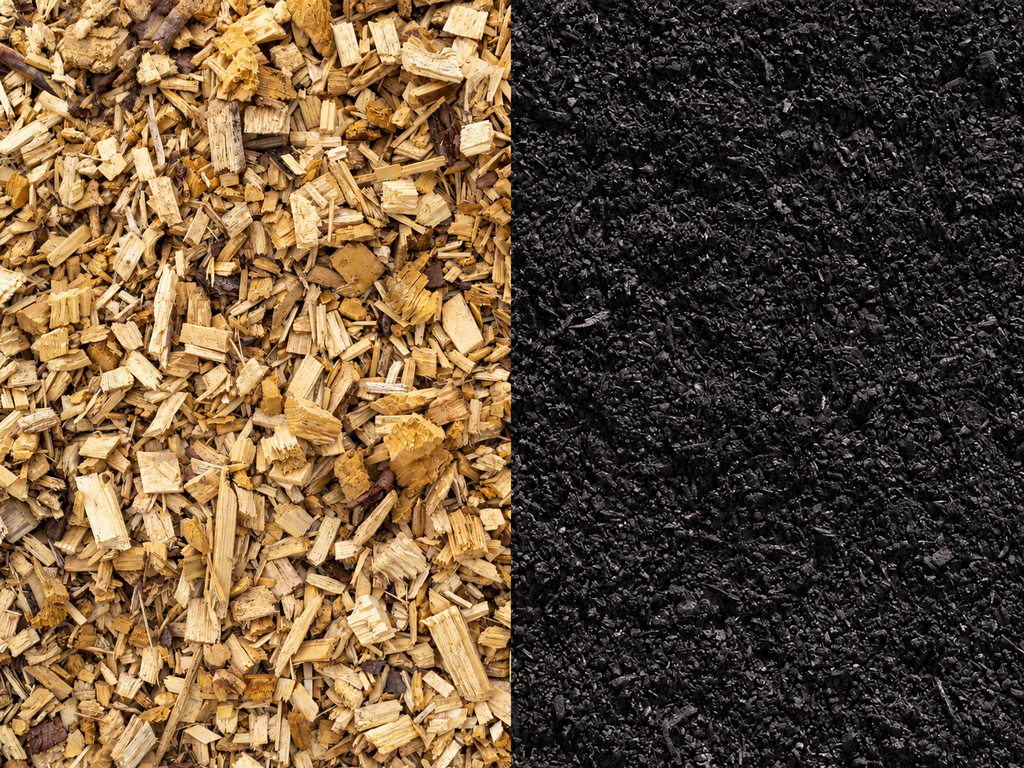
How biochar stores carbon
Plants absorb carbon dioxide as they grow. Pyrolysis turns some of that captured carbon into a form that resists decomposition. In suitable storage conditions, biochar can hold carbon for centuries.3
That ability makes biochar a practical tool for carbon dioxide removal, or CDR. Carbon-credit programs account for how much carbon stays stored and for how long. They also subtract carbon losses and emissions from making and transporting the biochar to calculate the net removal. Monitoring and checks verify the result.4
Wakefield brings experience at commercial scale to this work. As of September 9, 2026, Wakefield ranks among the top five biochar carbon-removal suppliers on CDR.fyi by total carbon removals delivered to date.5 You can follow our progress on the supplier leaderboard.
Biochar combines practical uses with carbon storage. It can help improve soil or become an ingredient in a product while holding carbon. Planning for how the material is used—and what happens to it afterward—helps keep those benefits connected.
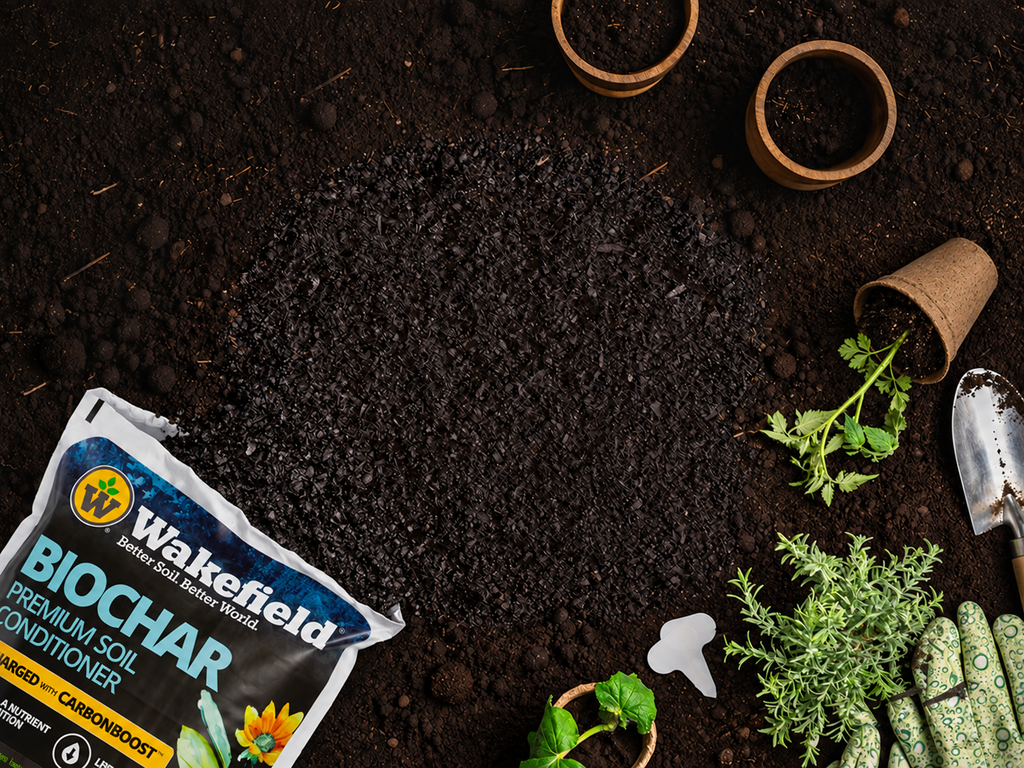
Biochar for gardens, farms and manufactured soils
Biochar can help soil hold water and nutrients where plants need them. It can improve water retention in sandy soils.1,6
In your garden, use biochar alongside compost and the nutrients your plants need to build a better growing environment. Compost and fertilizer supply nutrients. Biochar adds lasting structure that helps hold water and nutrients and provides habitat for soil microbes. Start with what you grow and what your soil needs, then choose a product and a way to apply it that fit.1,6
The same practical approach works at a larger scale:
- Farms: match biochar to your crop, soil and how you plan to apply it.
- Landscapes and turf: plan how to use biochar in the soil around roots, whether you are planting a new landscape or caring for existing plants.
- Soil manufacturing: add biochar to a blend built for your customers’ plants, growing conditions and water needs.
Farmers apply nearly 80,000 US short tons of Wakefield biochar each year.7 From garden bags to bulk soil ingredients, Wakefield helps you choose the material and format for the work ahead.
Biochar for industrial uses
Biochar gives manufacturers a renewable carbon ingredient to help meet their sustainability goals. It can serve as a filler, a pigment that adds color, or part of a filter. The job it needs to do guides choices such as particle size, how the biochar is prepared and how it is mixed with other ingredients.
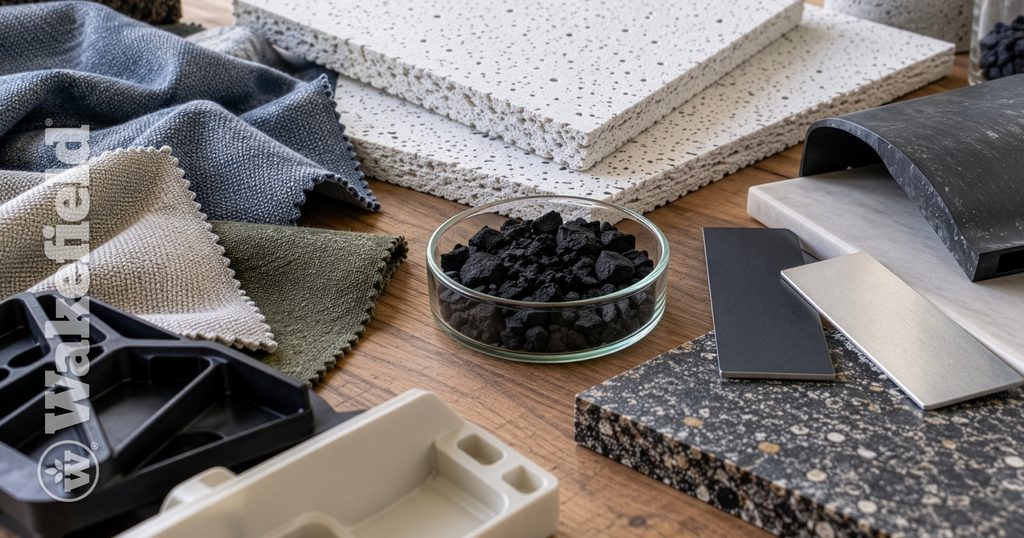
Ceiling panels
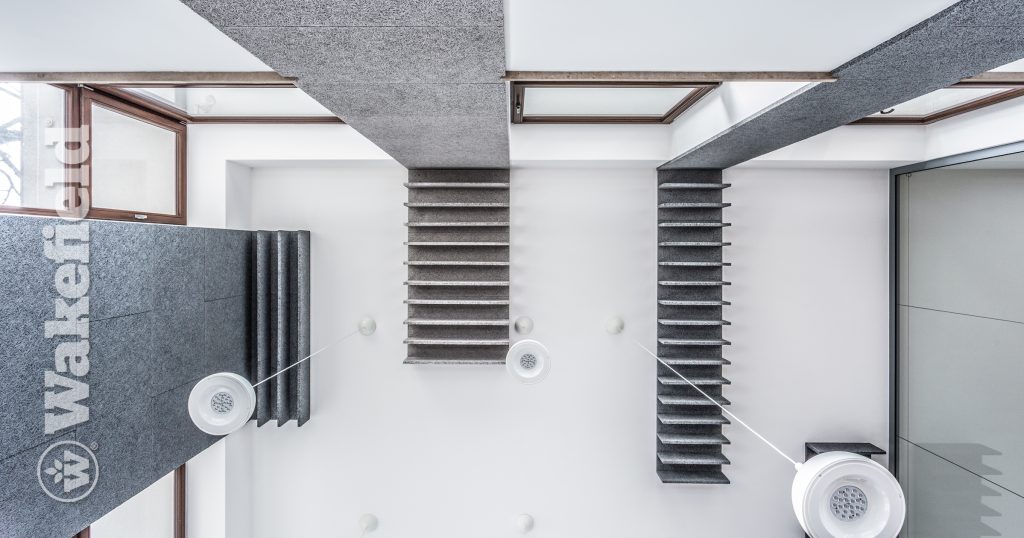
Manufacturers use biochar in ceiling panels, bringing carbon from biomass into everyday building materials.8 This use offers a starting point for adding biochar to building products. Considering performance and carbon impact together helps producers choose materials that meet their product and sustainability goals.
Asphalt
Biochar offers asphalt producers another choice of filler and a way to change the mix’s properties. In asphalt mixes, biochar can improve resistance to rutting—the lasting grooves that traffic leaves in pavement.9 Developing the mix means balancing stiffness with resistance to rutting and cracks. Producers can assess biochar alongside the other ingredients that affect how pavement performs.
Pigments and carbon-black replacement
Processed biochar can add black color to printing inks and replace some of the carbon black in rubber.10,11 Wakefield’s CarbonMicro® 50 gives industrial buyers a micronized biochar—ground to a very fine powder—for use in their mixes.2
Air and gas filtration
Biochar’s surface chemistry can help it capture certain substances from gas streams. For example, iron-modified biochar can capture hydrogen sulfide from biogas.12 The substance you want to capture guides the choice of biochar, any treatment to change its surface, and how the filter operates. Filter materials containing biochar can also help remove certain pollutants from stormwater.13 Choosing the material and planning how to handle the pollutants it captures are part of good filter design.
Fuel briquettes
Briquette producers bind and press fine carbonized material, such as CarbonMicro 50, into a usable fuel form.7,14 This puts the material’s carbon to work as fuel. Burning releases that carbon, so fuel use does not provide long-term carbon storage for CDR. Its climate impact depends on the fuel it replaces and how it is made.
Find the right biochar for your application
Start with the job you want biochar to do. You may want to improve soil, develop a soil blend, add color, replace part of a filler or make a filter material.
Wakefield helps you connect that goal with a product. For gardens, begin with what you grow and your soil needs. For farms, landscapes and soil manufacturing, consider the blend, how you will handle it and how much you need. For industrial uses, tell us what your product needs to do and what you need from its ingredients.
Then put the chosen material to work in your soil, blend or process.
New uses will continue to develop as we explore biochar’s properties. Whether your next step is a garden project or a commercial product, understanding the material gives you a stronger place to start.
Talk with Wakefield BioChar about the right product for your soil, manufacturing process or application.
Sources and notes
-
Digging into Biochar Biochar production and soil applications View Source ↩
-
Product specifications and feedstock information ↩
-
Biochar carbon-persistence analysis View Source ↩
-
Biochar Methodology, Edition 2025, version 2 2025. Net-removal accounting and storage requirements View Source ↩
-
Supplier leaderboard and Wakefield supplier profile. Ranking by cumulative delivered removals among biochar suppliers, checked September 9, 2026 View Source ↩
-
Meta-analysis of biochar and soil water properties 2020. View Source ↩
-
Internal records and application information ↩
-
ULTIMA Low Embodied Carbon ceiling-panel environmental product declaration View Source ↩
-
Aging performance of modified binder 2020. Additional asphalt research: Grossegger et al. (2025), and Sanchez and Varamini (2024). Laboratory studies of asphalt binders, mastics and mixtures View Source ↩
-
Biochar-based flexographic ink research 2021. View Source ↩
-
Biochar/carbon-black rubber composites 2020. View Source ↩
-
Iron-impregnated biochar for hydrogen sulfide in biogas 2021. View Source ↩
-
Field stormwater-filtration research 2024. View Source ↩
-
Simple Technologies for Charcoal Making, chapter 11 1983. Charcoal-fines briquetting View Source ↩