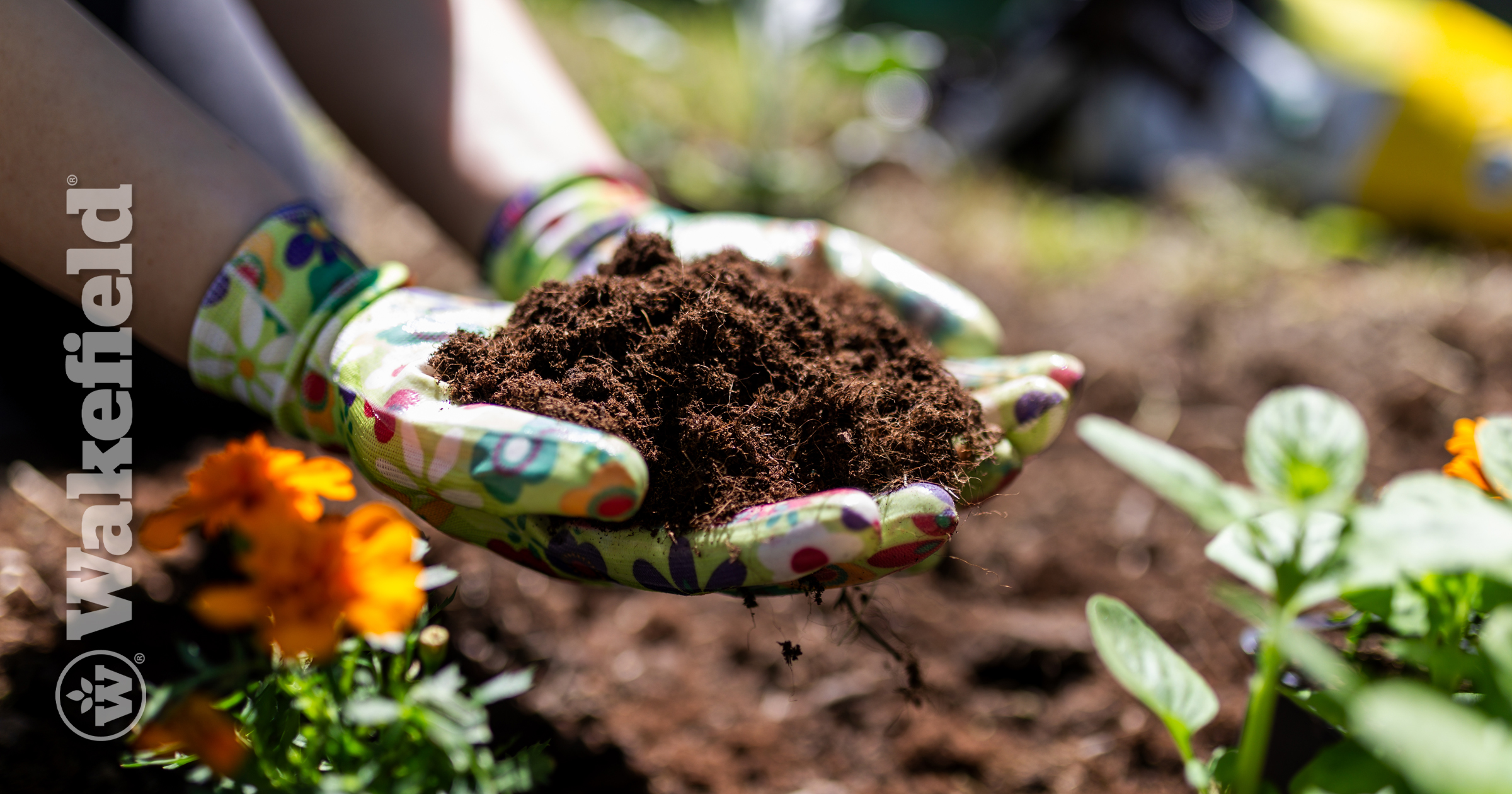
Keeping more nitrogen in compost can also help reduce an important source of odor. Biochar can capture some ammonia and change the conditions in which organic materials break down, connecting odor management with the value of the finished compost.1
For composters handling nitrogen-rich materials such as poultry litter, these goals belong together. Ammonia escaping from the material carries nitrogen with it. Holding on to more of that nutrient can benefit the compost while reducing ammonia in the emissions.
Pine biochar keeps more nitrogen in the mix
In a controlled poultry-litter composting study, adding pine-chip biochar lowered ammonia concentrations in the emissions and reduced total nitrogen loss. More of that nitrogen stayed with the compost instead of escaping into the air.1
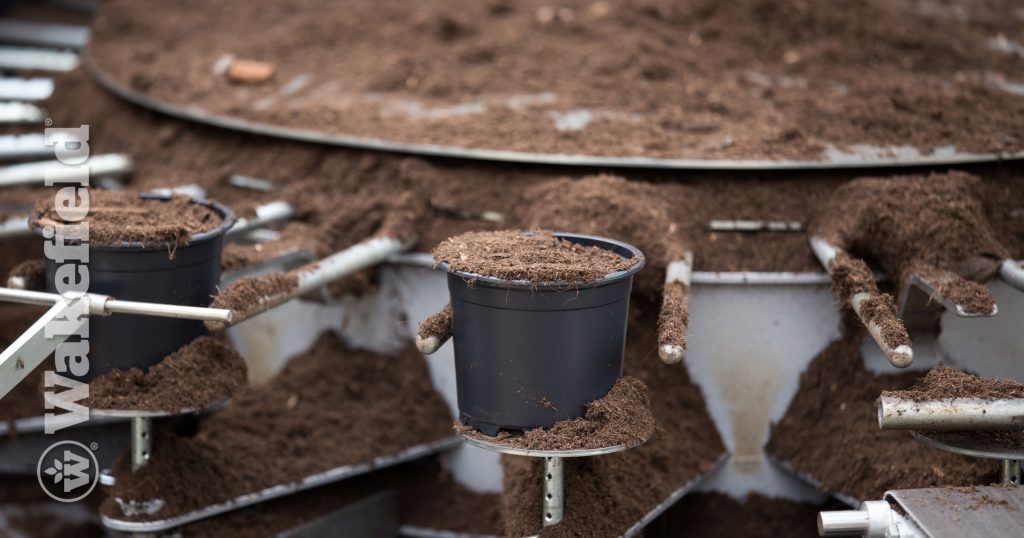
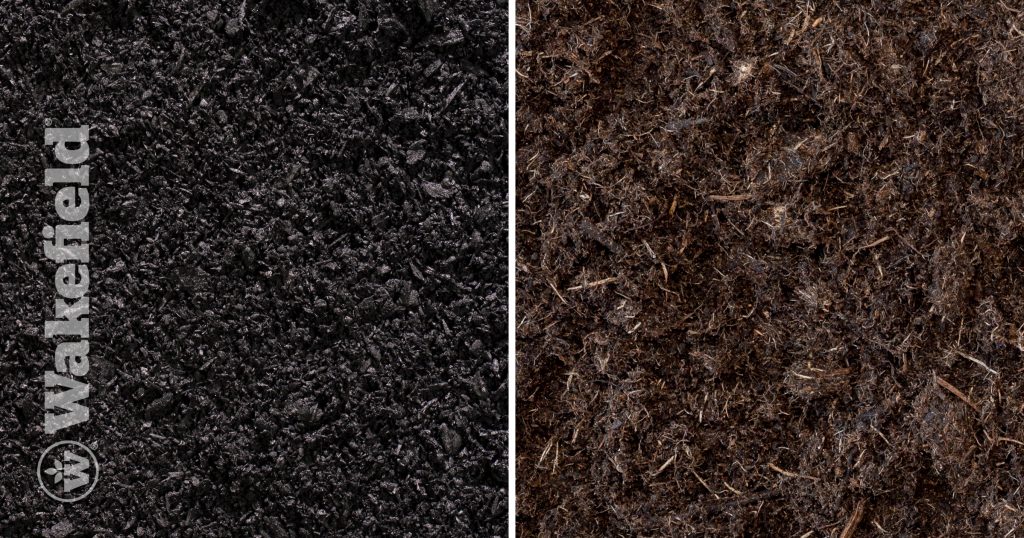
The biochar was mixed into the composting material. It therefore worked within the process, where the organic matter was breaking down and releasing nutrients. Researchers also measured higher peak temperatures and carbon dioxide production in the higher-biochar treatment, indicating faster decomposition.1
The combination is useful: biochar contributed to the composting process while helping retain nitrogen. It gives wood-derived carbon a role during production, before the finished compost reaches a garden, landscape, or farm.
Surface chemistry adds another opportunity
Biochar’s pores are only part of the story. Chemical groups on its surfaces affect how it interacts with ammonia and dissolved ammonium, another form of nitrogen.
Research with maple biochar found that oxidizing the surface improved nitrogen retention compared with untreated biochar. Oxidation changed properties including acidity and the surface’s ability to hold positively charged ions, helping explain why the two materials behaved differently.2
For compost developers, those differences make surface chemistry a useful part of the material discussion. The carbon’s preparation can influence how it works with nitrogen-rich feedstocks, alongside the physical structure it brings to the mix.
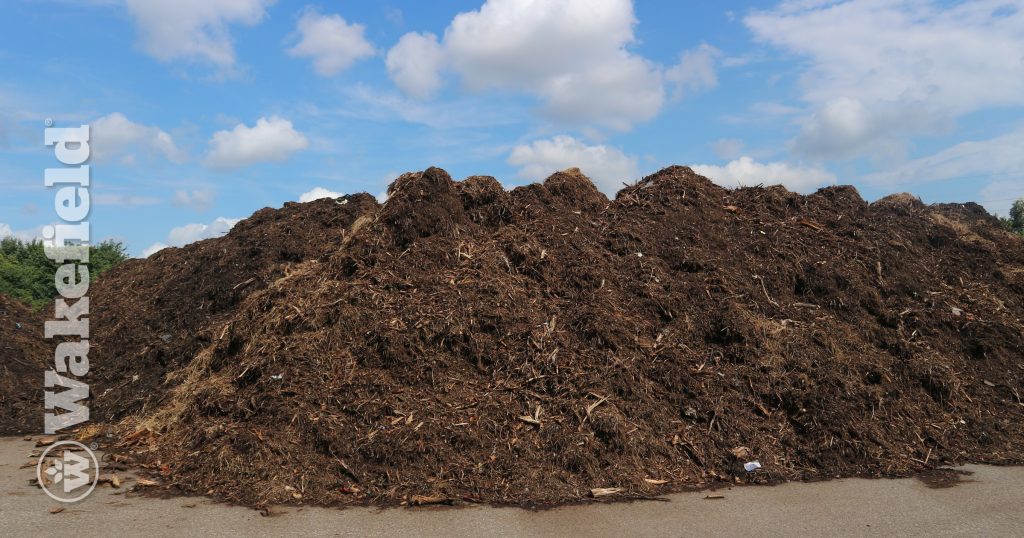
Working within compost or treating the air
Mixing biochar into compost puts it in contact with the organic material throughout decomposition. Using it in a separate air filter gives it a different job: capturing compounds after they enter the airflow.
Both approaches have been studied with wood-derived biochar. A pilot filter using commercial pine biochar reduced measured odor compounds in air from a swine facility.3 Our article on biochar in air filtration explores that application in more detail.
For composting, the opportunity starts in the mix: using wood-derived carbon to help manage ammonia and retain more of the nutrients already present in the feedstock. Wakefield can discuss biochar specifications, samples, and bulk supply for your operation.
Sources and notes
-
Reducing Nitrogen Loss during Poultry Litter Composting Using Biochar 2010. Controlled poultry-litter composting with pine-chip biochar. The higher-biochar treatment reduced ammonia concentrations in emissions and total nitrogen loss, with higher peak temperature and carbon dioxide production. These are results for the tested compost and biochar, not a general loading recommendation or a measurement of every odor compound View Source ↩
-
Ammonia volatilization from composting with oxidized biochar 2020. Compared chemically oxidized and untreated maple biochar during composting of poultry manure and straw. Oxidized biochar retained more nitrogen than untreated biochar; untreated biochar increased nitrogen loss relative to the no-biochar control. The finding supports the importance of surface chemistry, not a claim that every biochar reduces nitrogen loss View Source ↩
-
Pilot-Scale H₂S and Swine Odor Removal System Using Commercially Available Biochar 2021. Commercial pine biochar was used in a separate air-treatment unit during 21 days of barn operation. This filtration example is distinct from adding biochar to compost, and it was not a Wakefield-product trial View Source ↩