Biochar can help landscape professionals build healthier soils that hold water and nutrients, support plant growth, and store carbon. These benefits make it useful for lawns, gardens, trees, commercial landscapes, and other planted areas.
Wakefield BioChar recently discussed these uses at the Illinois Landscape Contractors Association Annual Convention. The presentation focused on a simple idea: better soil creates better growing conditions, and biochar gives landscape professionals another tool for improving the soil beneath their projects.
What Makes Biochar Useful in Landscaping?
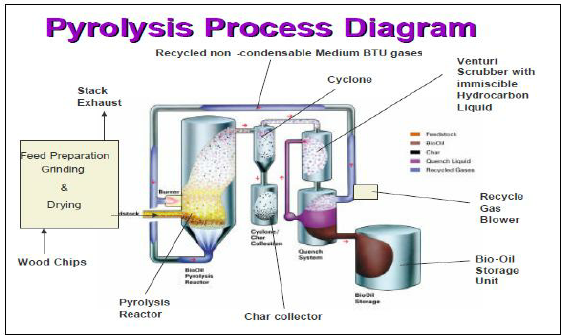
Biochar is a carbon-rich material made by heating plant material with little or no oxygen. This process, called pyrolysis, creates a porous material that can remain in soil for a long time.
Those tiny pores are an important part of what makes biochar useful. They help soil hold water and nutrients and provide space for beneficial microbes. Adding biochar can also improve pore space within the soil, giving roots better access to the air, water, and nutrients they need.
Not all biochar is the same. The biomass used to make it and the way it is produced affect properties such as carbon content, particle size, moisture, pH, and ash. These properties help determine how the biochar will perform when added to soil.
Building Better Soil for Landscapes
Landscape plants often have to grow in difficult soil. Construction can remove topsoil, compact the ground, or leave behind soil that does not manage water and nutrients well. These problems can make it harder to establish lawns, trees, shrubs, and other plants.
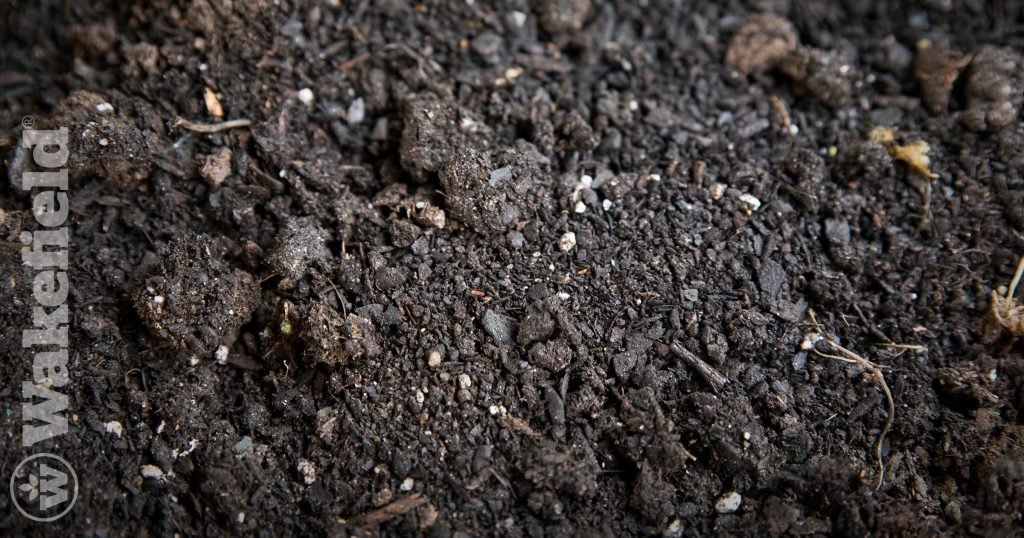
Biochar can help improve the soil itself. Its porous structure can increase pore space, support root growth, and help soil hold moisture. It can also retain some nutrients in the root zone, giving plants more opportunity to use them instead of losing them as water moves through the soil.
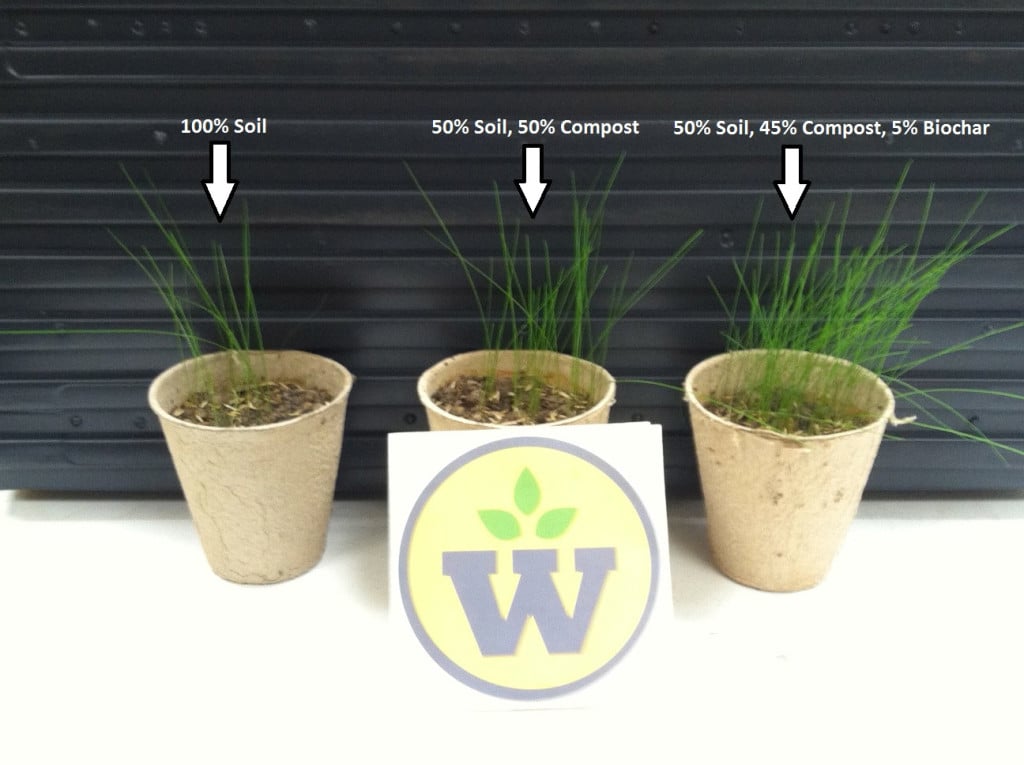
Biochar also provides habitat for soil microbes. These tiny organisms help break down organic matter and cycle nutrients. This is one reason biochar works well with materials such as compost: compost provides organic matter and nutrients, while biochar provides a lasting structure that helps hold water and nutrients in the soil.
Managing Water and Soil pH
Water management is another important benefit for landscapes. Biochar can hold moisture within its pores and keep more water available in the root zone between rainfall or irrigation. This can be especially helpful in sandy soils that drain quickly and in landscapes that face periods of dry weather.
Biochar can also affect soil pH. Many biochars are alkaline, which means they can help raise the pH of acidic soils. This can improve growing conditions when low pH is a problem. Soil testing can help landscape professionals determine whether changing pH would benefit a particular site.
Together, better water retention, soil structure, and nutrient management can help create stronger growing conditions. Biochar does not replace irrigation, fertilizer, or good landscape practices, but it can help the soil make better use of the water and nutrients it receives.
A Long-Term Investment in the Soil
Unlike many materials added to landscapes, biochar breaks down very slowly. That means its benefits to soil structure can continue well beyond a single growing season. Its long life also provides an environmental benefit. Plants remove CO₂ from the atmosphere as they grow. When suitable plant material is converted into biochar, some of that carbon becomes much more stable. Adding biochar to soil can keep that carbon stored for long periods while putting the material to productive use.
For landscape professionals, this combination is what makes biochar especially interesting. It can help address practical soil challenges today while building healthier soil for the future. Whether establishing a new landscape, improving poor soil, or restoring an existing planting area, biochar can become part of a longer-term approach to soil health and landscape performance.