My Tomatoes Are Bigger Than Your Tomatoes
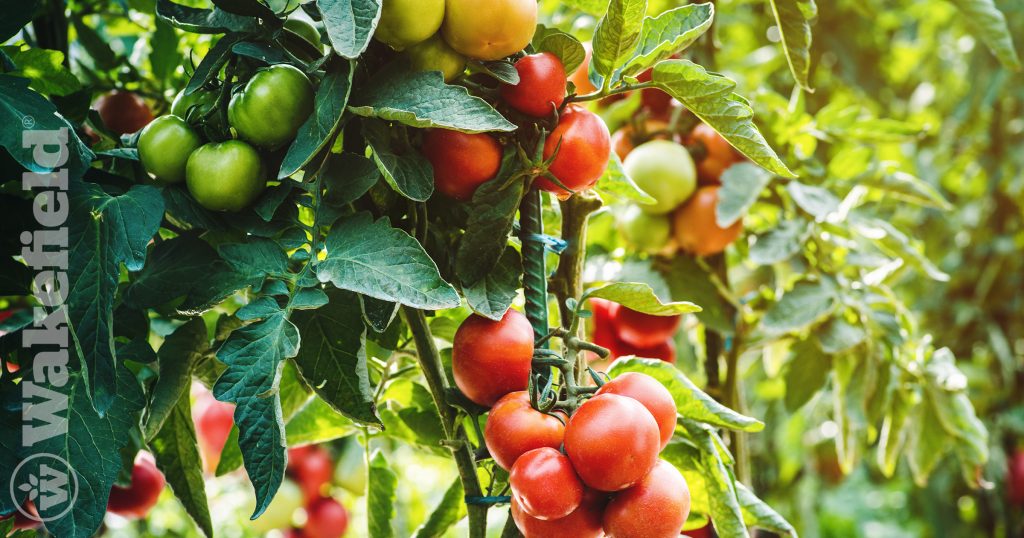
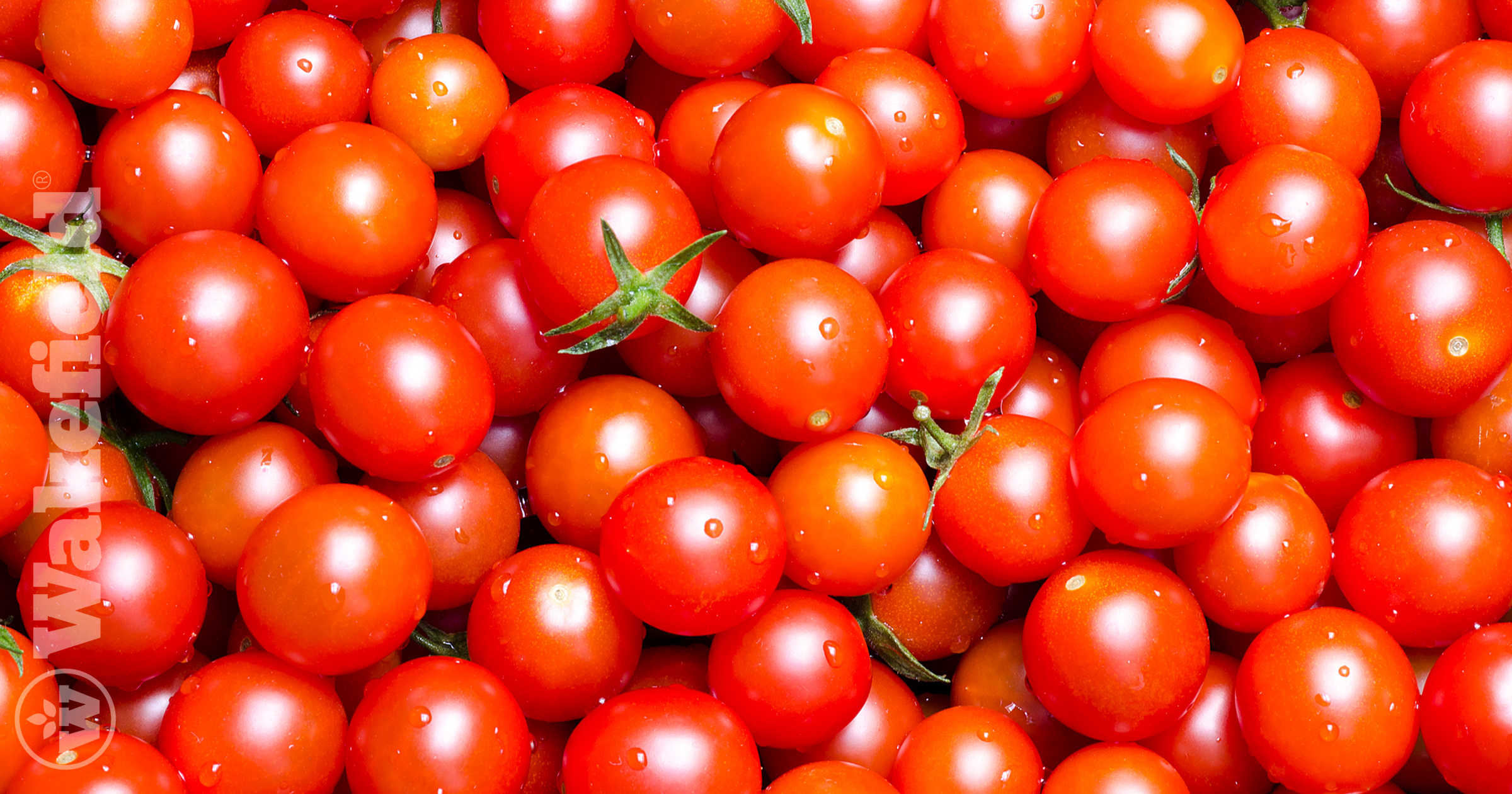
It does seem a bit boastful to say my tomatoes are actually bigger than yours. I don't even know you. Your garden is probably spectacular. However, after a
- UseGardening
- TopicSoil Health

Learning Center Use
Home gardening and consumer-scale growing applications.
Browse Wakefield BioChar articles and resources for this use.
These resources are filtered by the selected Learning Center Use.
It does seem a bit boastful to say my tomatoes are actually bigger than yours. I don't even know you. Your garden is probably spectacular. However, after a
Midsummer is the perfect time to give your garden the attention it needs to thrive during the warmest months of the year. With the right care and a
The use of the word “biochar” needs to be used with some understanding of the product. We’ve talked about biochar needing to be from a biomass. The use
Learn what makes loamy soil productive and how biochar supports its water balance, nutrient retention, airflow, microbial life, and long-term structure.
Learn how Wakefield and the U.S. Biochar Coalition support biochar education, policy recognition, industry collaboration, responsible growth, and wider adoption.
Learn how controlled pyrolysis transforms clean wood into porous, stable biochar for healthier soil, carbon storage, filtration, and environmental applications.
Learn how biochar supports tomato plants by improving soil structure, moisture management, nutrient retention, microbial habitat, and long-term root health.
Discover how wood-based biochar turns waste into stable carbon while improving soil, water management, nutrient retention, and plant resilience.
Learn why biochar leaves temporary black residue, how easily it washes away, and how simple handling habits keep projects cleaner.
Learn how biochar differs from fertilizer and how the two work together to retain nutrients, improve soil structure, and support plant growth.
Learn how to blend biochar into houseplant soil for better water management, nutrient retention, airflow, and long-term root support.
Use biochar in vegetable, herb, and flower gardens to support water retention, nutrients, roots, microbial habitat, and lasting soil structure.