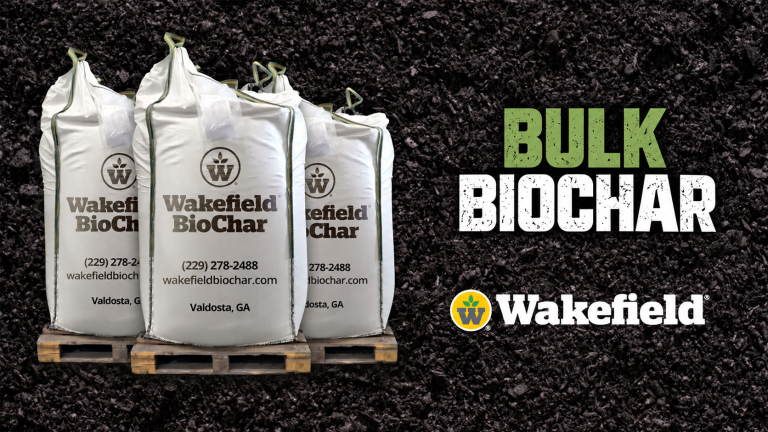

Biochar is gaining attention in agriculture as farmers look for ways to build healthier soils, manage water and nutrients, and support long-term productivity.
Made by heating biomass with little or no oxygen, biochar is a porous, carbon-rich material that can be added to soil. Its structure helps soil hold water and nutrients and provides space for beneficial soil life.
These properties make biochar a useful soil amendment, but results can vary from farm to farm. Soil type, climate, crop, application rate, and the type of biochar all affect how it performs.
Building Better Soil Structure
Healthy soil needs space for air, water, roots, and living organisms. Biochar can reduce bulk density, meaning there is less soil mass in a given volume, and increase pore space. These changes can improve conditions for root growth. A global review found improvements in soil density and porosity across field and controlled studies, with responses depending on the soil and the type and amount of biochar used. 1
Pore space can also support aeration, which helps supply oxygen to roots and soil organisms. Air movement depends on how pores connect and how much of that space is filled with water. Soil texture, moisture, compaction, and biochar particle size all influence the result. 2
Helping Soil Hold Water
One of biochar’s key strengths is its ability to retain water. Its many small pores can capture and hold moisture that would otherwise move through the soil. A review of soil-water research found that adding biochar increased the amount of water available in soil. The effect was especially strong in sandy soils, which tend to drain quickly. 3
Holding more water in the root zone can help plants through dry periods and improve how soil manages moisture between rainfall or irrigation. The amount of benefit depends on the soil, climate, crop, and biochar being used. Read more about biochar, soil water retention, and irrigation.
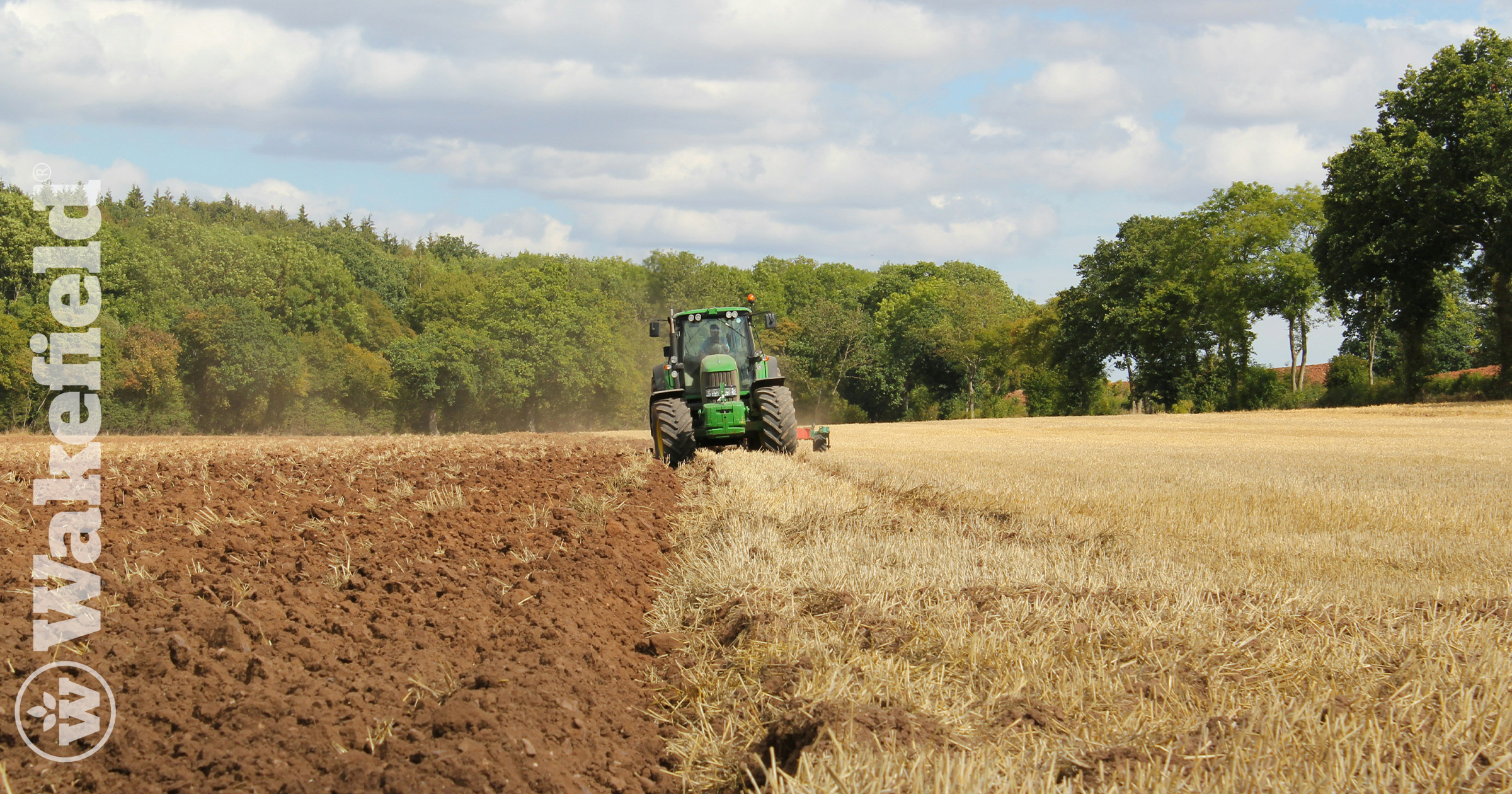
Keeping Nutrients Available to Plants
Biochar can help retain nutrients that would otherwise move out of the root zone with water. Those retained nutrients can remain available for plant uptake, helping crops make better use of fertilizer, compost, and other nutrient sources. Learn how biochar supports nutrient availability.
Biochar can also affect soil pH. Many biochars are alkaline and can help raise the pH of acidic soils. This can improve growing conditions where acidic soil is a problem, though it may not be desirable in soil that already has a high pH.
Biochar works best as part of a larger soil-management plan. It can help improve how soil manages nutrients, but it does not replace the fertilizer or other inputs a crop needs.
Creating a Home for Soil Life
Healthy soil is alive with bacteria, fungi, and other tiny organisms that help break down organic matter and cycle nutrients. Biochar can provide surfaces and suitable pores for microbes to colonize. By retaining moisture and nutrients, it can also support favorable conditions for soil life. 4
A review of field experiments found that biochar increased microbial biomass overall, a measure of the amount of living microbial material in soil. Responses varied with the biochar, soil, and management practices, including the use of fertilizer or compost. This supports using biochar as part of a living soil system, alongside organic matter and the nutrients crops need. 4

Keeping Carbon in the Soil
Biochar also provides a way to return carbon from plants to the soil in a more stable form. Plants remove carbon dioxide from the atmosphere as they grow. When plant material breaks down, much of that carbon eventually returns to the atmosphere. Pyrolysis converts part of the carbon in biomass into stable forms that break down much more slowly.
This connection between soil health and long-term carbon storage has made biochar an important area of interest in agriculture and climate strategies.
Where Biochar Fits in Agriculture
Biochar brings several useful properties together in one soil amendment. It can improve soil structure, retain water and nutrients, provide habitat for soil microbes, and add stable carbon to the soil.
How those benefits translate into crop performance depends on the soil, crop, climate, biochar, and how it is applied. Biochar is not a replacement for good soil management. Instead, it is a tool farmers can use alongside practices such as soil testing, nutrient management, irrigation, compost application, and cover cropping.
For growers working to build healthier and more resilient soils, biochar offers a way to improve the soil itself while keeping carbon in a stable form. Explore Wakefield BioChar’s agricultural solutions or contact our team to learn more about using biochar in farming and commercial growing.
Sources and notes
-
Soil properties and microbial diversity 2022. Review of field, laboratory, and greenhouse studies. Soil bulk density and porosity improved overall; results varied by soil, biochar, and application. View Source ↩
-
Soil air permeability 2023. Review of vegetated and non-vegetated soils. Air movement increased, decreased, or remained unchanged under different moisture, particle-size, and compaction conditions. View Source ↩
-
Soil water properties 2020. Meta-analysis showing improved water retention overall, particularly in coarse-textured soils. Water retention alone does not establish a specific irrigation saving. View Source ↩
-
Microbial biomass in field experiments 2025. Synthesis of 539 comparisons from 64 field-study papers. Microbial biomass carbon increased overall, with variation by material, soil, management, and time. Biomass is distinct from microbial diversity and individual biological functions. View Source ↩