
How Biochar Supports Healthy Plant Growth
Learn how biochar strengthens the root zone by improving soil structure, water and nutrient retention, aeration, and microbial habitat.
- UseGardening
- TopicSoil Health

Learning Center Use
Home gardening and consumer-scale growing applications.
Browse Wakefield BioChar articles and resources for this use.
These resources are filtered by the selected Learning Center Use.
Learn how biochar strengthens the root zone by improving soil structure, water and nutrient retention, aeration, and microbial habitat.
Biochar improves pore structure, drainage, and aeration, helping roots recover from waterlogging while keeping useful moisture and nutrients available.
Biochar strengthens the soil, microbial life, root zone, and natural plant defenses that help gardens withstand pests and disease.
Biochar captures odor compounds on its porous surfaces, supporting cleaner compost, manure, wastewater, air-filtration, and soil systems.
Everyday choices in our yards and gardens can build healthier soil, conserve water, support wildlife, and reduce waste.
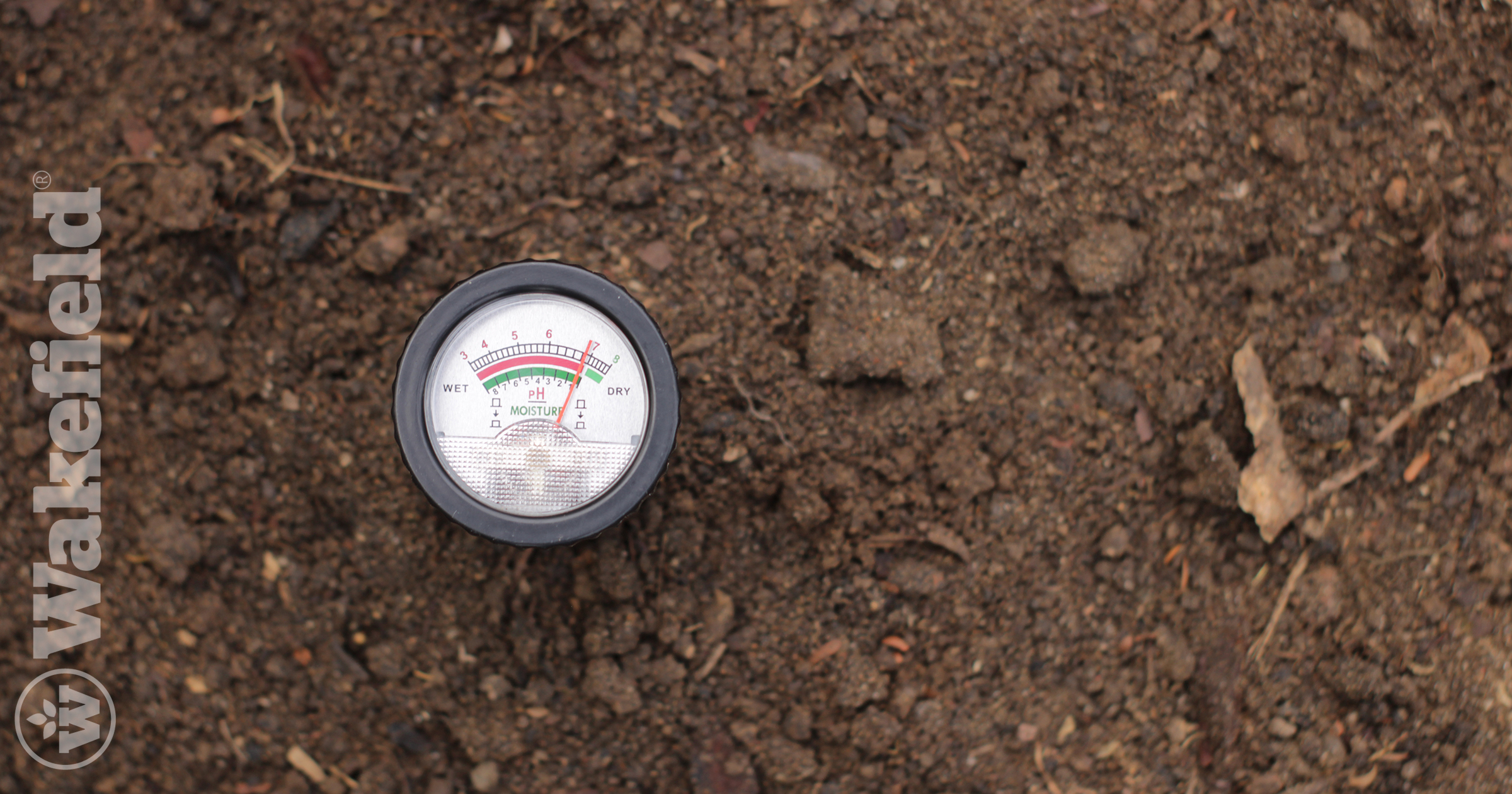
Research shows that alkaline wood-based biochar can raise acidic soil pH, while the response depends on the soil and product.
Biochar does not act as a nitrogen fertilizer, but it helps soil retain water and nutrients supplied from other sources.
Build a pollinator garden with healthy soil, regionally suitable plants, steady blooms, water, shelter, and simple seasonal care.
Follow five simple steps to mix biochar into a compost pile and prepare a useful amendment for garden soil.
See how Cloud 9 used biochar in rooftop growing media and what research says about weight, water retention, drainage, and design.
Learn how to manage clay soil through testing, organic matter, compaction prevention, drainage, mulch, and carefully evaluated biochar.
Learn how to identify and manage chalky soil with suitable plants, organic matter, mulch, testing, and carefully matched amendments.