Can Worms Live in Biochar-Amended Soil?
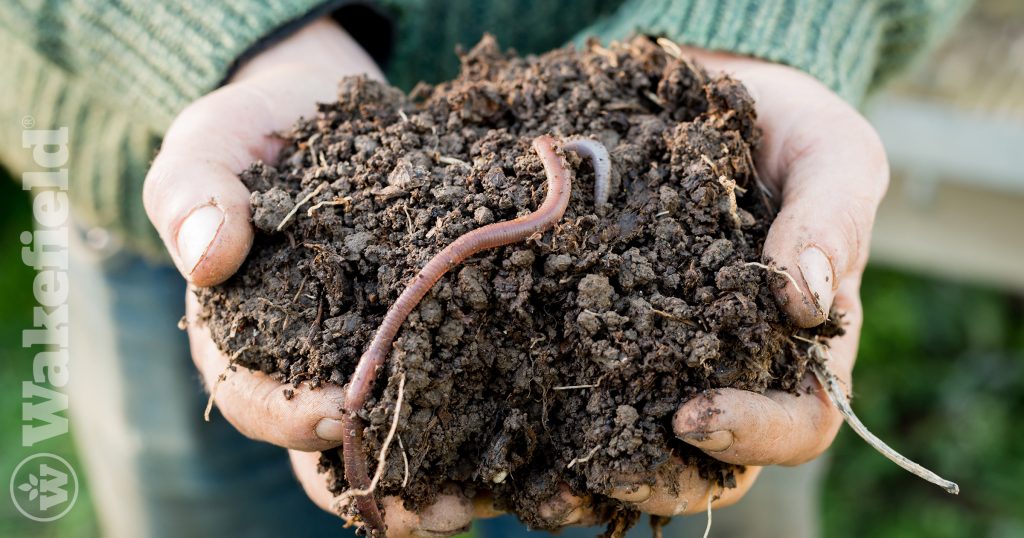
Earthworms can thrive in soil and compost containing biochar when moisture, organic matter, temperature, and pH remain suitable for them.
- UseFarming & Agriculture
- TopicSoil Health
Learning Center Use
Home gardening and consumer-scale growing applications.
Browse Wakefield BioChar articles and resources for this use.
These resources are filtered by the selected Learning Center Use.
Earthworms can thrive in soil and compost containing biochar when moisture, organic matter, temperature, and pH remain suitable for them.
Regular charcoal is not a substitute for soil biochar. Learn how their ingredients, production, and intended uses differ.
Biochar can provide lasting value in soil and materials, but reuse after filtration or remediation depends on what the biochar captured.
Learn how biochar can influence soil, plants, water, nutrients, and carbon storage—and why results depend on the product and site.
Learn how biochar holds water, supports healthy roots, and helps soil make better use of rain and irrigation.
Review how biochar is being studied for compost odor mitigation, ammonia retention, and process improvement—and what facilities should test before adoption.
Watch Rob Lerner explain how biochar supports soil structure and creates conditions that can help plants flourish.
Biochar strengthens hydrosprayed seed mixtures by retaining water and nutrients, supporting roots, and helping establish vegetation across large or difficult sites.
Learn how the 10% biochar guideline translates to garden beds, planting areas, containers, and new lawns.
A beginner-friendly introduction to what biochar is, how it is made, and why it helps improve soil performance.